
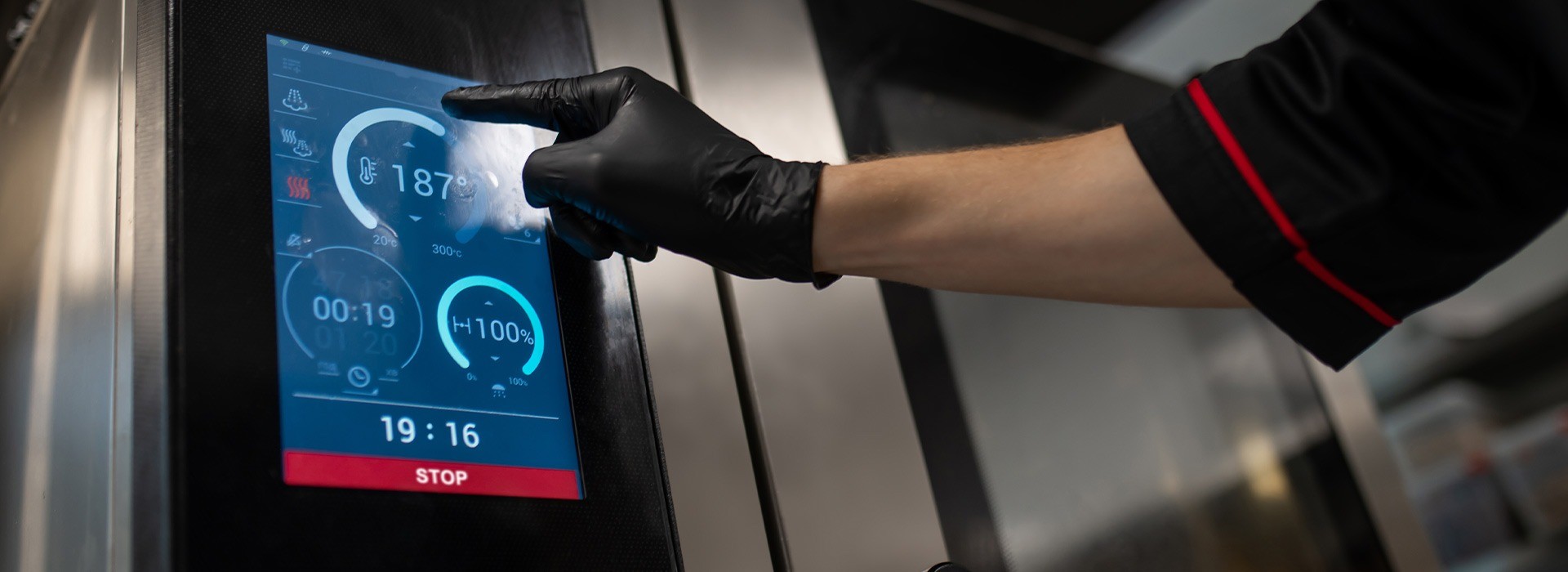
Commercial kitchen automation uses smart, connected equipment. This can include connected refrigeration, automated cooking systems, robotic cleaning, and IoT chemical dispensing. In doing so, you can reduce labor dependency, cut energy costs, and maintain consistent food safety standards. Some of the highest ROI areas are warewashing, automated cooking, and smart refrigeration monitoring.
Automation is no longer a futuristic concept. It’s quickly becoming the backbone of efficient, resilient foodservice operations. With ongoing labor shortages, persistent inflation, and rising utility costs, operators who aren’t exploring smarter equipment are already falling behind.
The question isn’t whether to automate. It’s where automation will have the biggest impact on your operation.
Why Commercial Kitchen Automation is Becoming Essential
Solving the Foodservice Labor Shortage with Automation
Staffing challenges continue to shape day-to-day operations. Many operators are doing more with fewer team members, making automation a practical solution – not a luxury.
Today’s technology isn’t about replacing staff; it’s about supporting them. Remote diagnostics, intelligent monitoring, and programmable systems reduce manual oversight and allow teams to focus on higher-value tasks.
Stabilizing Operations in an Inflation-Driven Economy
Inflation may be stabilizing, but it’s still influencing food costs, labor expenses, and menu pricing. At the same time, customers expect consistent quality and value.
Automation helps bridge that gap. Multi-use, programmable equipment improves consistency, reduces waste, and supports streamlined menus – all while keeping labor costs in check.
Reducing Energy Costs in Commercial Kitchens Through Smart Equipment
Energy-efficient automation is reshaping the future of commercial kitchens. Connected equipment and smart systems help reduce utility consumption while maintaining performance.
From refrigeration to ventilation, automation ensures equipment runs only when needed – supporting both sustainability goals and long-term cost savings.
Where Kitchen Automation Technology Has the Biggest Impact
Smart Commercial Refrigeration: Remote Monitoring and Predictive Maintenance
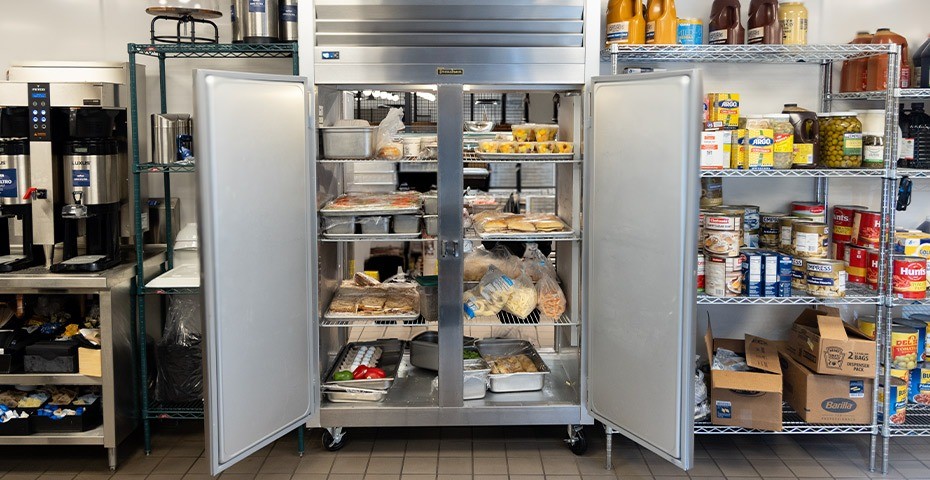
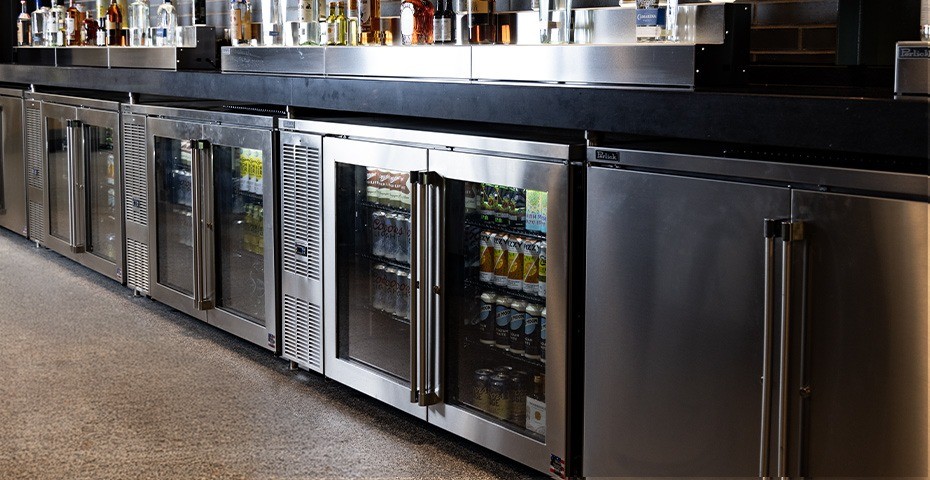
Automated commercial refrigeration systems are built to safeguard product while minimizing the need for constant manual checks. The result is improved product integrity, fewer unexpected service disruptions, and greater confidence in day-to-day operations.
Key features include:
-
Remote diagnostics to predict failures before they happen
-
Adaptive defrost cycles based on real usage
-
Smart temperature controls that maintain food safety automatically
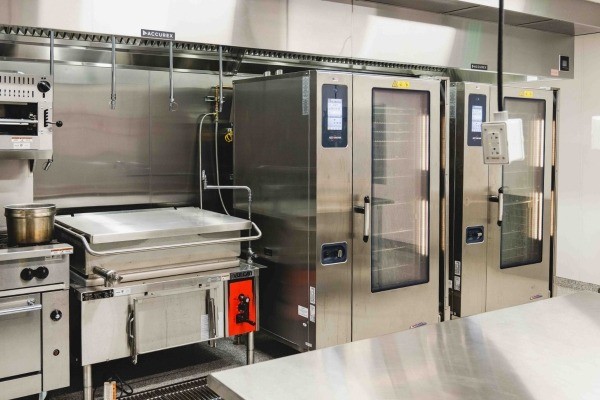
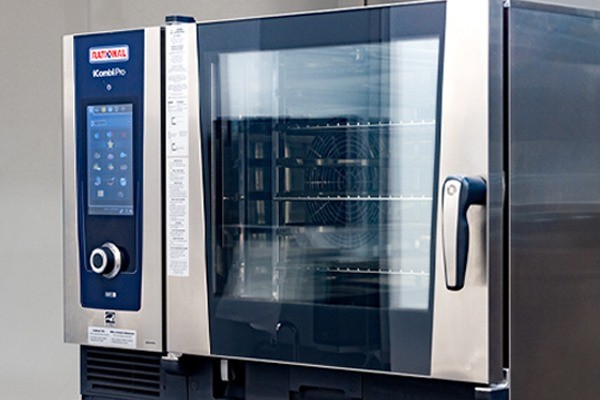
Automated Commercial Cooking Equipment: Consistency at Scale
Automation in cooking equipment is focused on precision and repeatability.
Operators are leveraging:
-
Auto-filtration fryers that extend oil life without manual labor
-
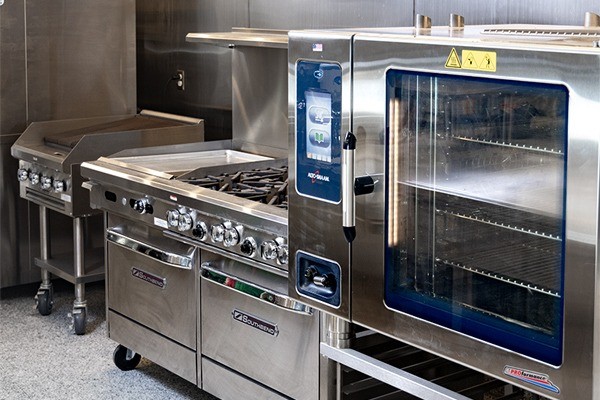
Intelligent ovens that adjust humidity, temperature, and airflow automatically
-
Demand-control ventilation (DCV) that reduces energy use by adjusting to cooking activity
These solutions help maintain food quality while reducing the need for constant monitoring – especially valuable in high-volume environments.
Automated Warewashing Systems: High ROI for Commercial Kitchens
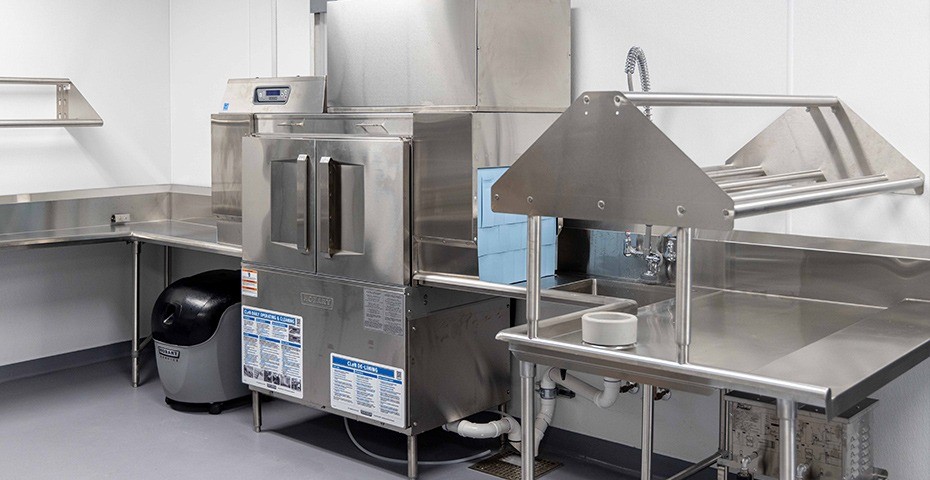
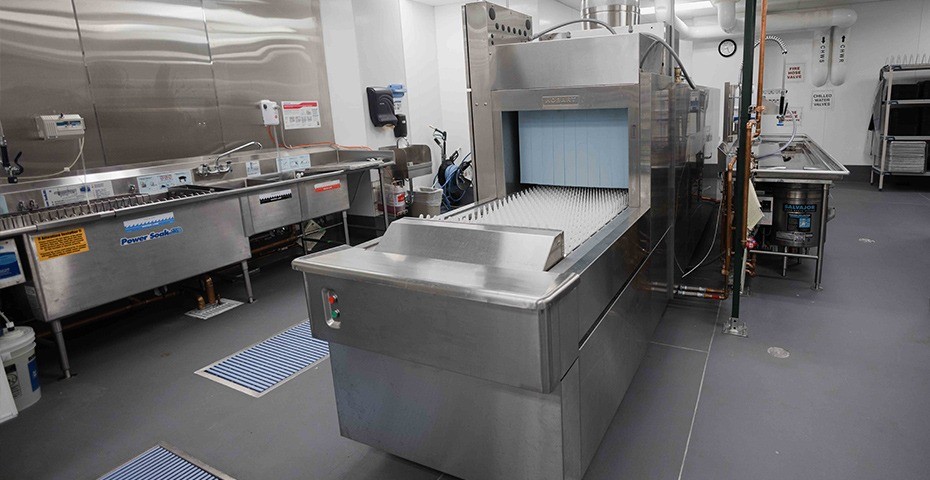
Automated warewashing continues to be one of the most impactful investments for busy kitchens. With tighter labor budgets and increasing traffic, automation in this category delivers immediate operational gains.
Modern systems offer:
-
Self-cleaning cycles and auto-deliming
-
Automatic chemical dosing and refilling
-
Consistent sanitation with minimal staff intervention
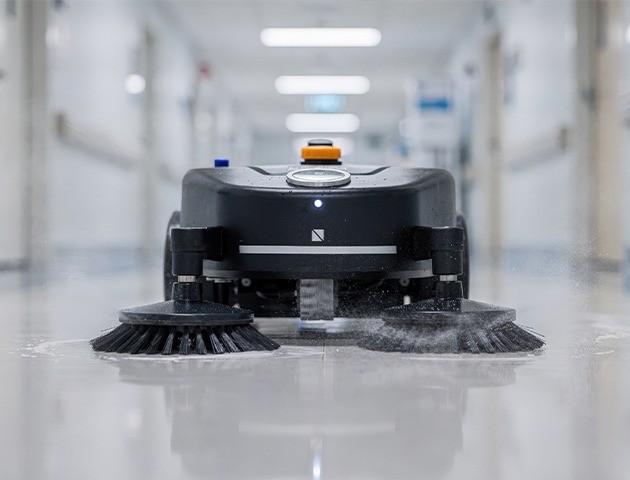
Autonomous Cleaning: Rethinking Back-of-House Labor
Cleaning is one of the most time-consuming, and often overlooked, areas of the operation.
New robotic systems are changing that by:
-
Combining sweeping, scrubbing, vacuuming, and mopping
-
Navigating tight kitchen layouts with compact designs
-
Returning to docking stations to recharge and refill automatically
This “set it and forget it” approach allows staff to focus on food safety and customer-facing tasks.
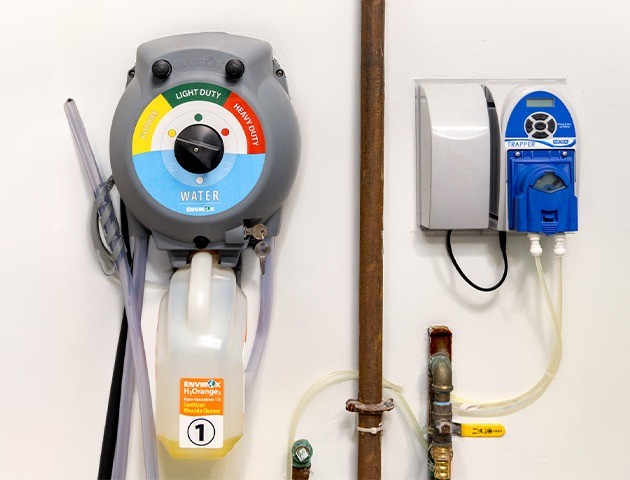
Smart Dispensing & Chemical Management: Precision and Accountability
Automation extends beyond equipment into sanitation and compliance.
Innovations include:
-
IoT-enabled dispensers that alert staff when supplies run low
-
Precision dilution systems that eliminate chemical waste
-
Usage analytics that identify inefficiencies or training gaps
These systems improve hygiene consistency while reducing unnecessary costs.
Ready to Put Automation to Work in Your Kitchen?
Automation isn’t one-size-fits-all, and the right approach depends on your menu, labor model, and long-term goals. At Boelter, we help operators identify the highest-impact opportunities, from targeted equipment upgrades to full kitchen optimization. Contact a Boelter foodservice equipment specialist today to schedule a kitchen automation assessment.