Each year, the National Restaurant Association Show offers a glimpse into the technologies and solutions shaping the future of foodservice. From automation and sustainability to operational flexibility and labor-saving innovations, this year's show highlighted products designed to help operators improve efficiency while enhancing the guest experience.
Our Design Services team attended the show to identify emerging solutions that can help clients address real-world operational challenges. Here are three standout innovations that captured our attention.
Bringing Freshness to the Forefront
As operators continue searching for ways to differentiate their dining experience while managing food costs, the Instafarm Commercial Growing Unit offers a unique solution.
This fully automated growing system allows operators to harvest fresh microgreens on-site every day, producing up to five large trays daily with minimal labor. By bringing food production directly into the operation, restaurants, healthcare facilities, senior living communities, and educational institutions can showcase hyper-local ingredients while reducing waste and ongoing purchasing costs.
Beyond the freshness factor, Instafarm is designed for simplicity. The plug-and-play system requires no plumbing, uses pre-filled growing trays, and automates watering and lighting functions. With no fertilizers or chemicals required, operators can focus on serving guests rather than managing complex growing processes.
The unit also provides a compelling financial case, with an estimated return on investment in approximately eight months. Combined with industry recognition including NSF Certification, a Kitchen Innovation Award, and a CES Innovation Award, Instafarm demonstrates how technology can support both operational goals and guest engagement.
Reimagining Flight-Type Warewashing
Warewashing remains one of the most critical—and labor-intensive—functions in foodservice operations. Hobart's newest flight-type dishmachine introduces several enhancements designed to improve efficiency, simplify maintenance, and reduce utility consumption.
One of the most notable upgrades is the move from waste-air energy recovery to drain-water energy recovery. This new approach improves energy utilization while eliminating the requirement for a backdraft preventer in many installations, potentially simplifying project planning and reducing associated costs.
The redesigned machine also features a new touchscreen interface, improved access for cleaning, and lower water consumption. Operators can expect approximately three gallons per hour less water usage compared to previous models.
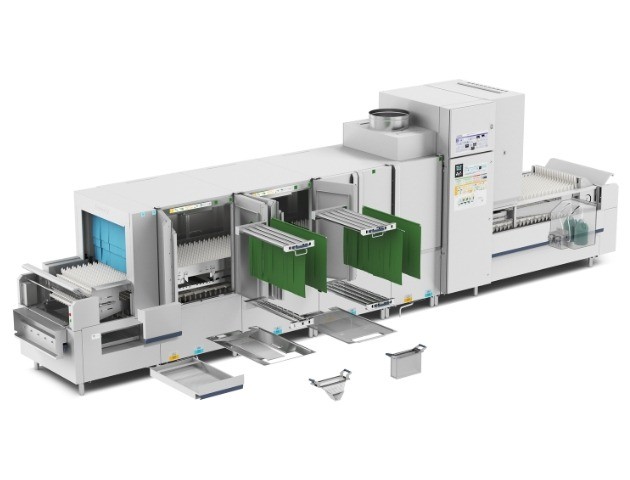
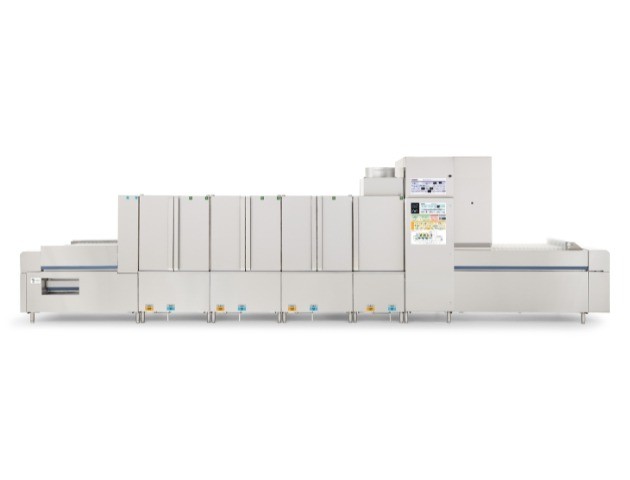
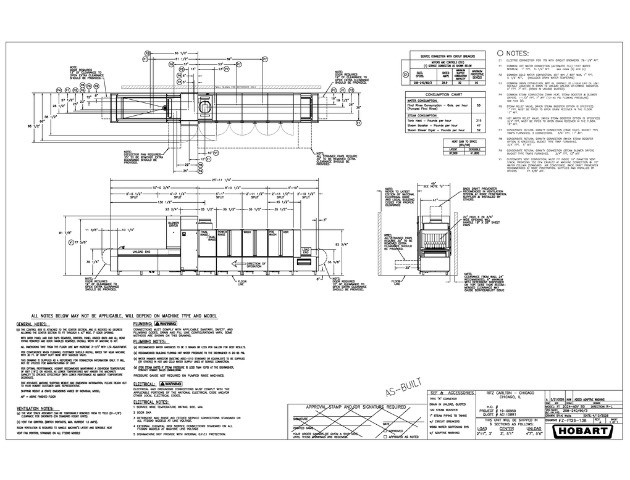
Maintenance has also been streamlined through an enhanced deliming process that eliminates the need to manually pour gallons of deliming solution into the tank. Additionally, Hobart relocated its Automatic Soil Removal (ASR) system to the prewash section, creating opportunities to reduce machine length or reallocate space to a longer unload section.
Another innovative feature is an optional camera system that monitors incoming wares and helps the machine automatically adjust wash cycles based on loading conditions. Combined with color-coded internal components that simplify maintenance and reassembly, the new design reflects a strong focus on operational efficiency and user experience.
Flexible Serving Solutions for K-12 and Beyond
Delfield introduced a new hydraulic lift system for its Shelleysteel and EcoMark counter lines, bringing a new level of flexibility to foodservice serving environments.
One challenge many K-12 operators face is creating serving lines that accommodate students of varying ages and heights. Delfield's hydraulic lift addresses this by allowing counters to adjust smoothly between 28 and 36 inches with the push of a button.
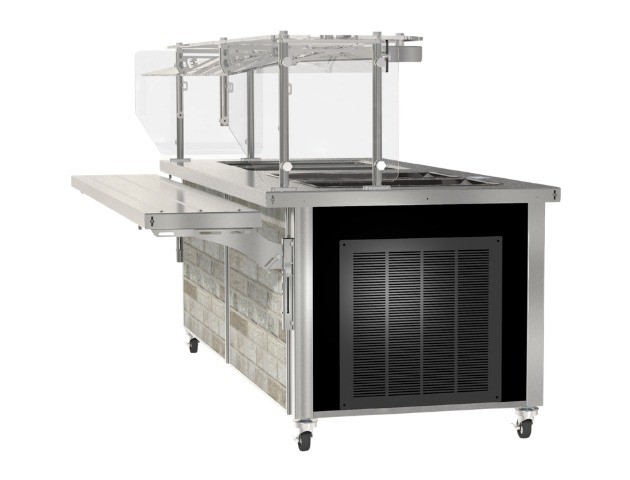
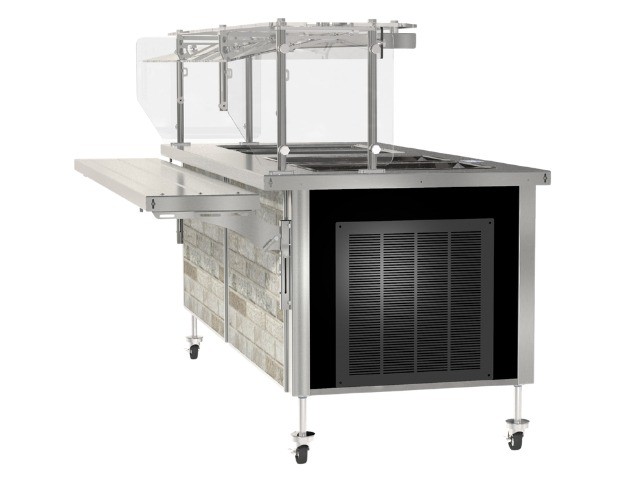
The system enables operators to create more accessible and inclusive serving environments without requiring multiple counter configurations. Users can also pre-program height settings, making transitions between different student groups quick and consistent throughout the day.
Available on mobile, plug-and-play counters up to 74 inches long, the system supports configurations with up to four flexible wells while maintaining the mobility and adaptability many modern serving environments require.
As schools and other institutions continue seeking ways to maximize space and functionality, solutions like this demonstrate how thoughtful design can improve both operations and the customer experience.
Looking Ahead
The most impactful innovations are often the ones that solve everyday challenges. Whether it's growing fresh ingredients on-site, creating more adaptable serving environments, or improving warewashing efficiency, this year's National Restaurant Association Show highlighted solutions that help operators do more with less.
As foodservice operations continue to evolve, Boelter’s Design team remains focused on identifying technologies and equipment that improve workflows, enhance guest experiences, and deliver long-term value. We're excited to help customers evaluate where these innovations can fit into their operations and future projects.