
Replacing commercial kitchen equipment is one of the biggest decisions operators face. Wait too long and you're managing breakdowns and lost productivity. Move too early and you're leaving usable life on the table.
Knowing when and why to replace is the difference between reactive and strategic operations. These five questions help you get there.
1. What Is the Condition and Age of Your Equipment?
While age provides a useful benchmark, evaluating the overall condition and day-to-day performance of your equipment often tells a more complete story, and the two don't always line up.
Ask yourself:
-
Is the equipment still producing consistent output, or are quality issues becoming more frequent?
-
Are staff working around problems that didn't exist a year ago?
-
How often is the equipment out of service, and how long does it take to get back online?
Recurring issues, even minor ones, are often early signals of larger failures ahead. If your team is compensating for equipment shortfalls on a regular basis, it's time to take a closer look.
2. Does Repair or Replacement Make More Financial Sense?
Most operators focus on the cost of a single repair, but one repair rarely tells you what you need to know. The more important number is the trend.
"Repair costs are always a key factor, but it's just as important to track those expenses over time," says Renee Boroczk, Equipment Specialist at Boelter. "When you start to see them trending up, they're usually pointing to bigger issues. Between rising costs, more downtime, and disruption, the total cost of ownership increases quickly — turning it into a reliability conversation, not just a repair decision."
Key factors to evaluate:
-
Are cumulative repair costs approaching or exceeding the price of a replacement unit?
-
Are parts becoming harder to source or significantly more expensive?
-
Could a new unit lower maintenance costs and provice more predictable operating expenses?
When a single repair runs more than half the cost of a comparable new unit, or when annual repair spend keeps climbing year over year, a replacement usually makes more sense than another fix. At that point, the real question isn’t the next invoice; it’s how much usable life the equipment has left.

3. Where Are You in the Equipment's Expected Lifespan
Understanding where your equipment falls in its lifecycle can help you make replacement decisions before failures disrupt your operation.
Ice Machines: 7-8 Years
Water quality and cleaning schedules are the main factors
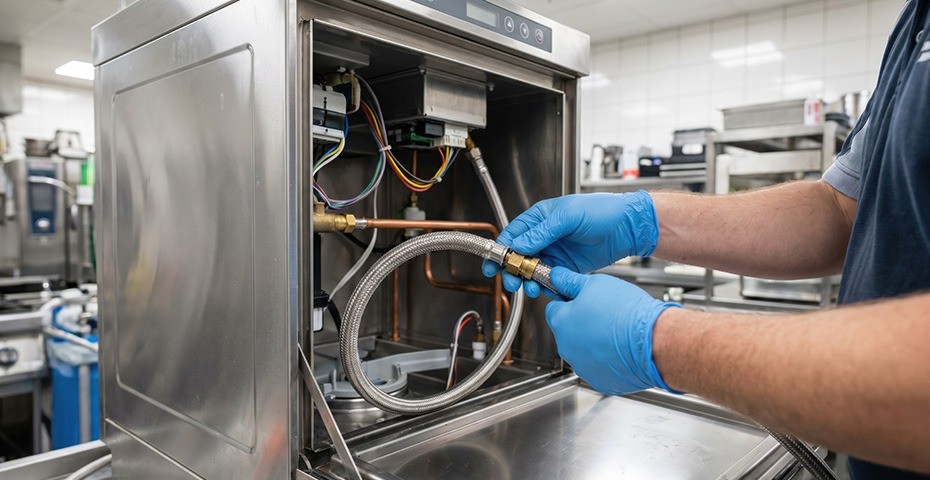
Dishmachines: 8-10 Years
Chemical exposure and heat cycles accelerate wear
Reach-Ins: 10-12 Years
Compressor health and door gaskets are common failure points
Ranges: 12-15 Years
Simpler mechanics and stronger components support longer use
"Most high-use kitchen equipment has a predictable lifespan, so it's important to align replacement with capital planning," says Boroczk. "Waiting until failure can create operational stress, whereas planning ahead allows for better budgeting, scheduling, and decision-making."
If replacement isn't already in your capital plan, this is the right time to add it.
4. Have Your Operational Needs or Menu Changed?
Equipment that fit your operation a few years ago may not support where your business is headed today, and the gap between the two can quietly create inefficiencies that are easy to overlook.
Consider whether your operation has:
-
Updated its menu in ways that require different cooking capacity or methods
-
Added new service models like takeout, catering, or grab-and-go
-
Shifted more towards fresh, made-to-order, or high-volume batch cooking
Replacement isn't only about addressing failure. It's an opportunity to ensure your equipment aligns with your current and future operating model.
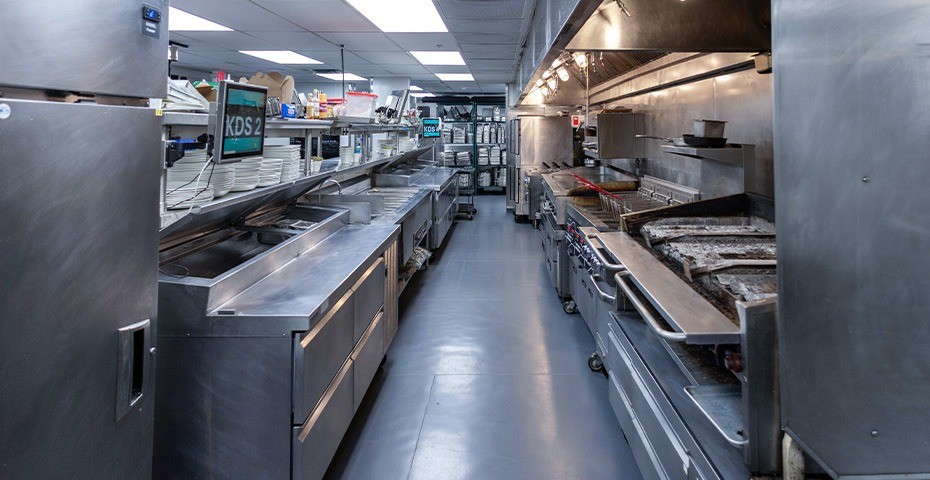

5. What Efficiency or Growth Opportunities Could New Equipment Unlock?
This question is often skipped in favor of more immediate cost concerns, but it's one of the most valuable to ask when thinking about long-term operational health.
New equipment can:
-
Increase capacity without adding labor
-
Reduce energy consumption through smarter, more efficient systems
-
Support automation and programmable features that improve consistency
-
Consolidate multiple functions into a single unit, saving space and operating costs
The right question isn't just whether you can afford to replace. It's what staying with aging equipment is costing you in efficiency, reliability, and missed opportunity.
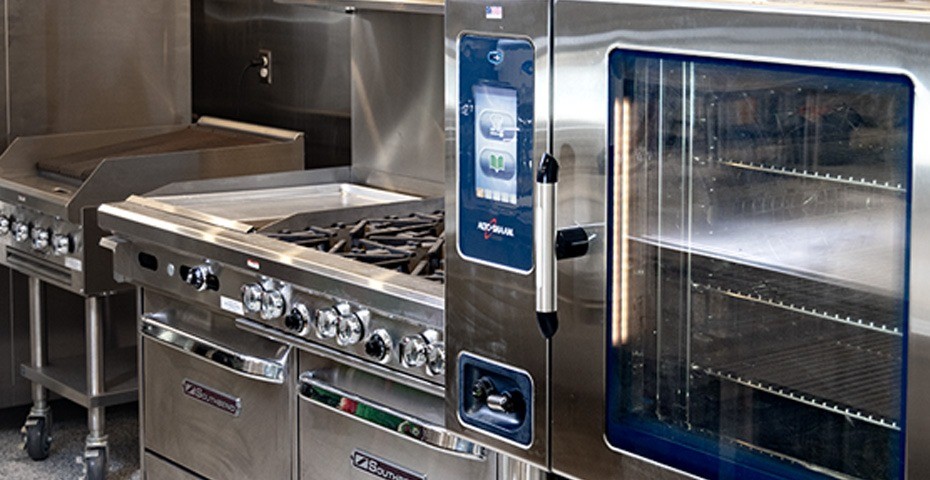
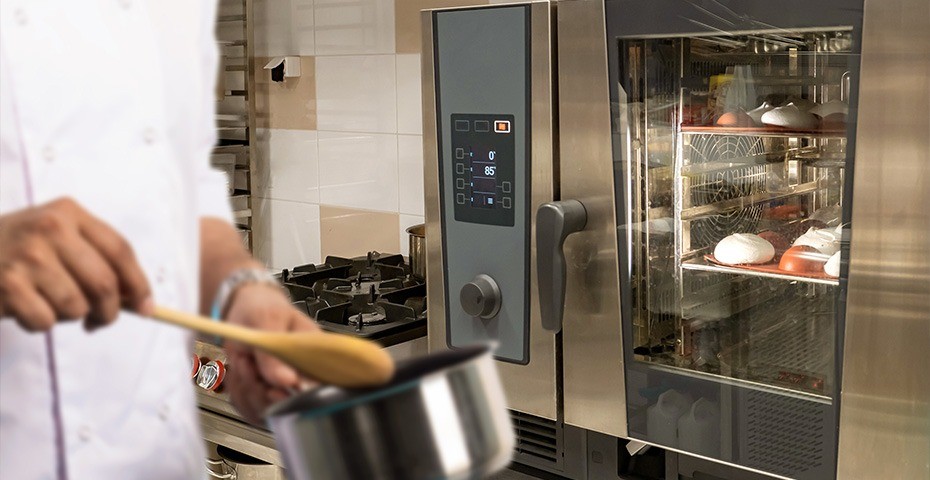
Ready to Evaluate Your Equipment?
At Boelter, our experts help operators assess condition, weigh repair versus replacement costs, and identify the right solutions for their operation. Contact a Boelter equipment specialist today to start the conversation.