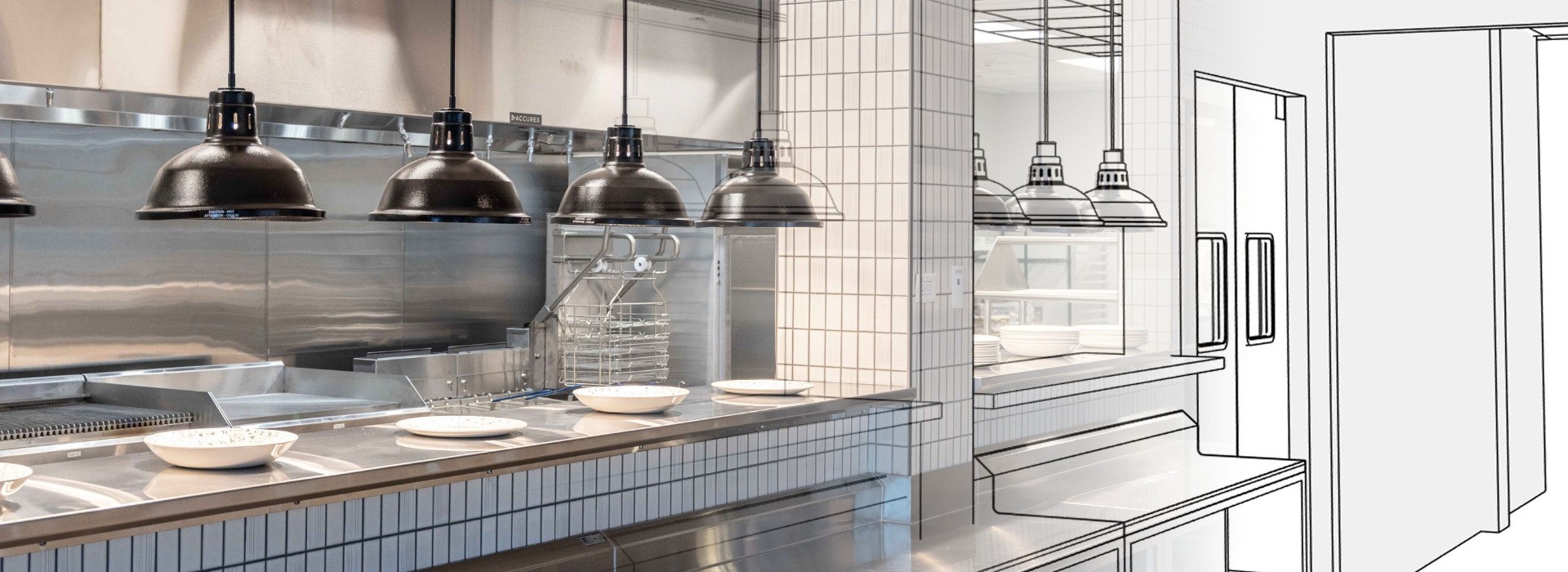
"Champagne tastes on a beer budget." It's a phrase we've all heard, and in foodservice design, it's a situation we encounter more often than you might think.
Owners, operators, and stakeholders naturally want the best for their facilities. They envision premium, brand-name equipment, state-of-the-art technology, and features that could improve operations or enhance the guest experience. There is nothing wrong with aiming high. The challenge comes when those expectations are not aligned with the project's budget.
One of the most important responsibilities of a foodservice designer is helping clients achieve their goals while staying grounded in financial realities. The earlier budget discussions happen, the more successful the project will be.
Start With the Budget
Budget conversations can be uncomfortable, but they are essential. Understanding budget expectations from the very beginning allows the design team to make informed recommendations and avoid costly value-engineering exercises later in the process.
If a client cannot provide a budget specific to foodservice equipment, the conversation should continue by then focusing on the overall project budget. Understanding the larger financial picture often provides valuable insight into what may be realistic for the foodservice scope.
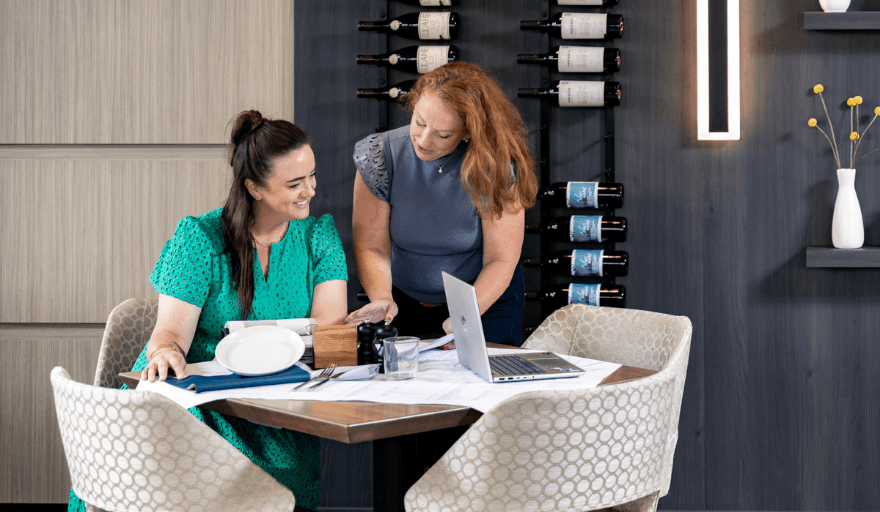
It's equally important to understand how the budget was established. Ask questions such as:
- Where did this number come from?
- Who was involved in developing it?
- Was it based on a previous project, a contractor estimate, or an internal assumption?
These discussions can reveal whether the budget is grounded in current market conditions or if adjustments may be necessary.
Set Expectations Early
Many clients are surprised by today's kitchen and servery equipment costs. When appropriate, we can share typical per-square-foot costs or comparable project data based on current market conditions. These benchmarks help clients understand whether their expectations align with their available funding.
Just as importantly, a preliminary budget for the proposed layout should be provided as quickly as possible. Early pricing allows the team to identify potential challenges before significant design time is invested.
Understand What Matters Most
Every client has priorities. Some are committed to a specific equipment manufacturer. Others may prioritize aesthetics, sustainability, technology integration, or operational flexibility. Understanding these preferences allows the design team to focus available dollars where they matter most.
If a client has strong brand preferences, we can work to preserve those selections whenever possible. However, it's equally important to be prepared with alternative solutions that can achieve similar operational results at a lower cost.
The goal is not to remove value from the project. The goal is to maximize it.
Look Beyond the Equipment Price Tag
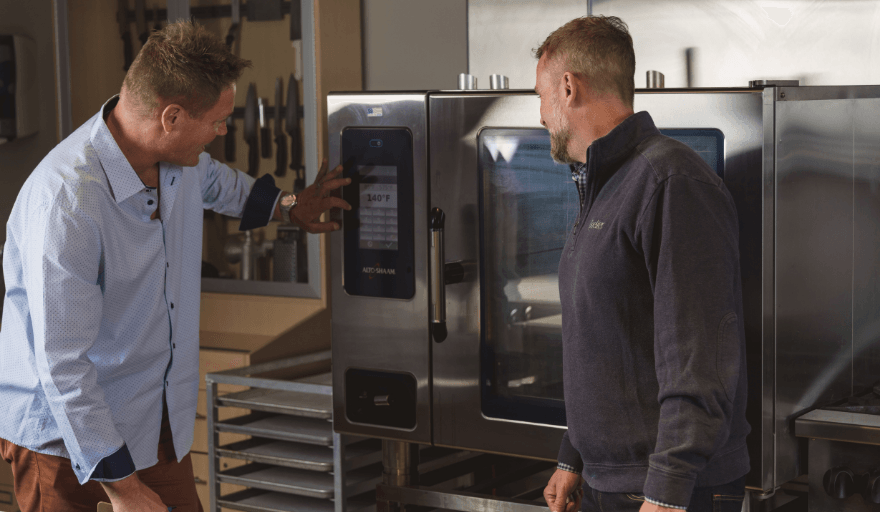
In many cases, the equipment itself is not what pushes a project over budget. It's the accessories and added features.
Additional shelving, specialty controls, upgraded finishes, custom options, and enhanced technology packages can significantly increase the cost of a piece of equipment. By reviewing these options with the client, it may be possible to maintain the preferred equipment selection while eliminating non-essential enhancements.
A simple conversation about needs versus wants can often uncover meaningful savings without impacting operational performance.
Use Design as a Cost-Control Tool
One of the most effective ways to manage costs is not through equipment substitutions alone, but through thoughtful design decisions from the start.
A well-planned layout can significantly reduce project costs by minimizing utility requirements, limiting construction modifications, and improving operational efficiency. Before removing desired equipment, designers should evaluate whether adjustments to the overall layout could achieve similar savings.
Some common cost-saving design strategies include:
- Consolidating utility-intensive equipment to reduce plumbing, electrical, and gas installation costs.
- Utilizing existing infrastructure whenever possible to minimize demolition and relocation expenses.
- Standardizing equipment selections rather than incorporating multiple specialty units that serve similar functions.
- Reducing custom fabrication and leveraging standard manufacturer offerings when operationally appropriate.
- Planning for operational flexibility so equipment can serve multiple menu functions instead of requiring dedicated stations for each task.
- Designing with maintenance and longevity in mind, as lower upfront costs do not always result in lower lifecycle costs.
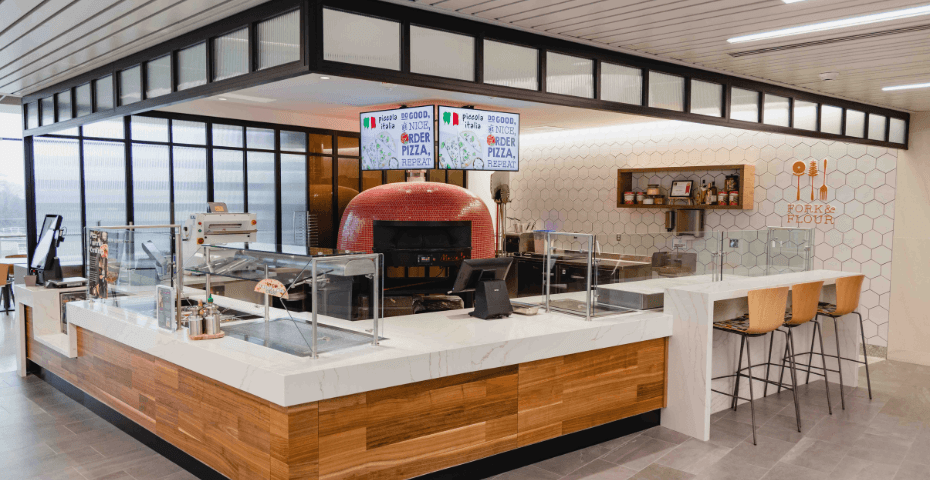
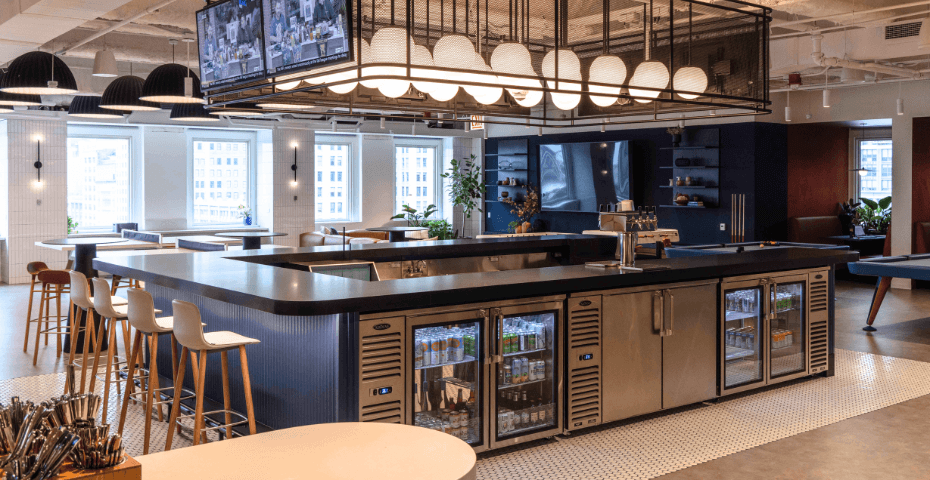
It is also important to distinguish between costs that directly impact operations and those that are primarily aesthetic preferences. While both have value, identifying opportunities to simplify finishes, reduce custom elements, or streamline serving environments can often generate savings that can be redirected toward equipment and features that provide greater operational benefits.
The most successful projects are those where the design team, owner, and stakeholders work together to identify where every dollar delivers the greatest return. Cost-conscious design is not about eliminating value. It is about investing available resources where they will have the greatest impact on the operation's long-term success.
Always Bring Options
One of the best ways to manage budget expectations is to arrive prepared with alternatives.
When presenting recommendations, consider providing:
- A preferred solution
- A value-engineered alternative
- Optional upgrades that can be added if funding allows
This approach gives clients flexibility and allows them to make informed decisions based on both operational needs and financial priorities.
Being prepared with options also demonstrates that the design team is focused on finding solutions rather than simply identifying problems.
Finding the Right Balance
Successful foodservice design is rarely about choosing between quality and budget. It is about finding the right balance between the two.
By combining realistic budgeting, strategic design decisions, and carefully selected equipment alternatives, teams can often preserve the client's vision while maintaining financial accountability. The key is approaching cost management as a design exercise rather than simply a purchasing exercise.
The reality is that many clients may start with champagne tastes. With the right planning, communication, and design strategy, we can often help them achieve a champagne experience while staying within a budget that supports the overall project's success. And in the end, that is what great foodservice design is all about: delivering the best possible solution, not the most expensive one.
Ready to start your next kitchen design project? Contact our team of design experts today to get started.