
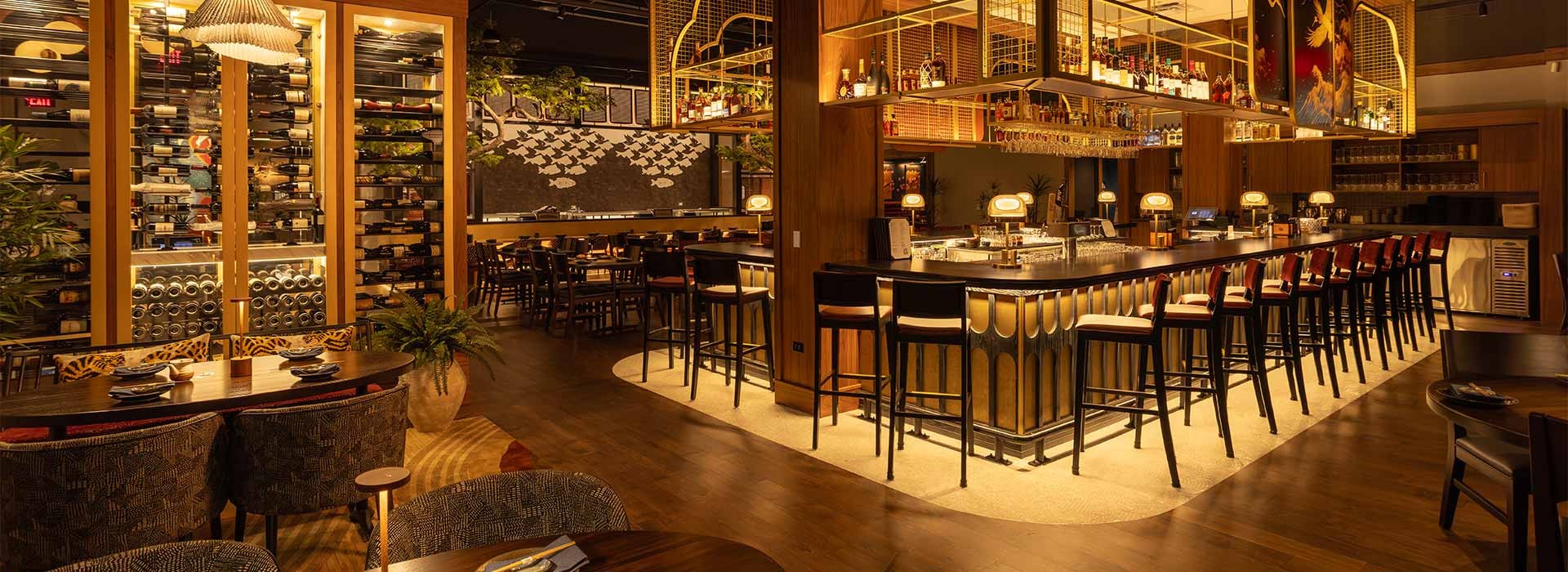
Hospitality design within commercial foodservice is evolving far beyond function alone.
Across restaurants, senior dining, rooftop venues, patios, and hospitality-driven gathering spaces, operators are rethinking how design influences guest behavior, comfort, and overall experience.
The industry is shifting toward environments that don’t just serve guests — they engage them emotionally.
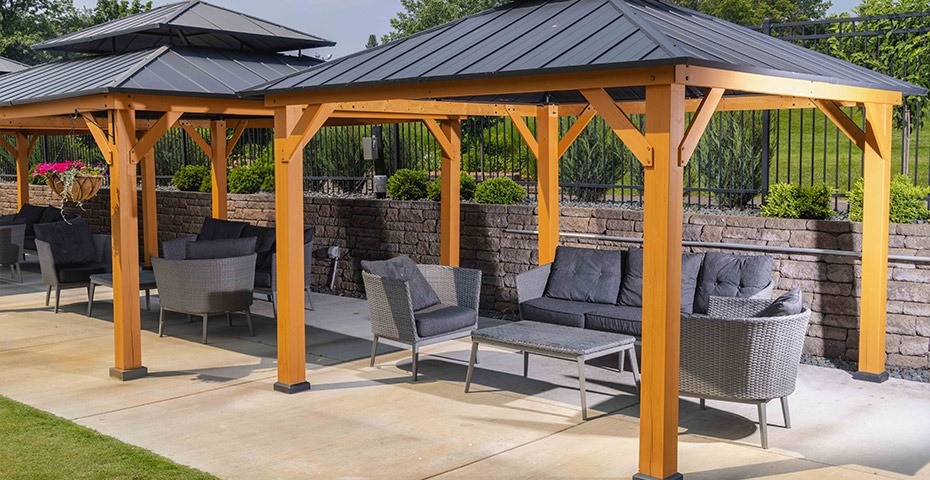
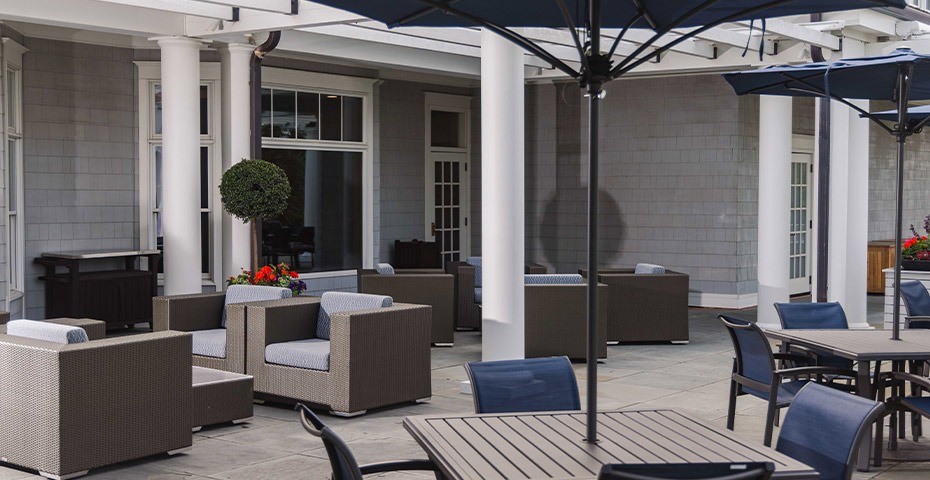
Outdoor Hospitality Is Becoming Indoor Luxury
The traditional patio approach prioritized durability and efficiency: stackable seating, weatherproof materials, and minimal comfort.
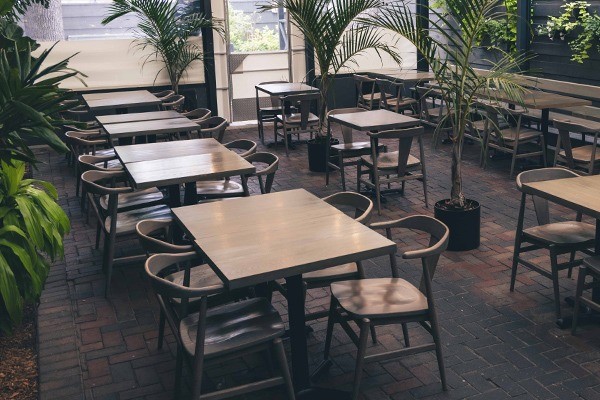
Today, outdoor hospitality spaces are being designed more like indoor lounges and boutique resort environments. It’s no longer an extension of the dining room, but rather a destination experience of its own.
Trends we’re seeing:
-
Residential-style upholstery
-
Layered textures
-
Resort-inspired materials
-
Warmer earth-tone palettes
-
Oversized lounge seating
Operators are recognizing that comfort directly impacts guest behavior. Spaces that feel inviting encourage guests to linger longer, order another round, and return more often.
Lighting Is Becoming an Essential Hospitality Layer
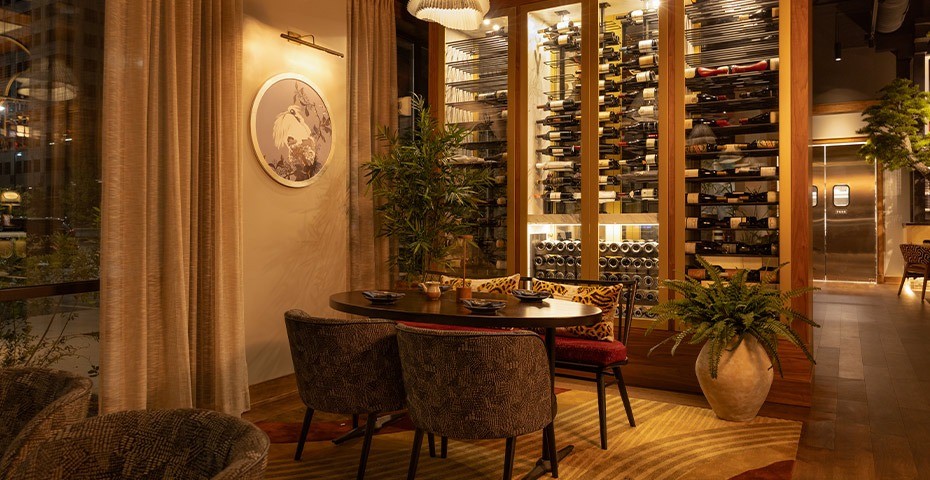
Portable table lighting continues to emerge as one of the most influential trends shaping hospitality environments.
What once served as decorative accent lighting is now helping operators create:
-
More intimate dining environments
-
Softer perceived acoustics
-
Elevated ambiance
-
Stronger visual identity
-
More photo-friendly guest experiences
From patios and rooftops to cocktail lounges and senior dining spaces, layered lighting is helping operators create flexible atmospheres without major renovation investments.
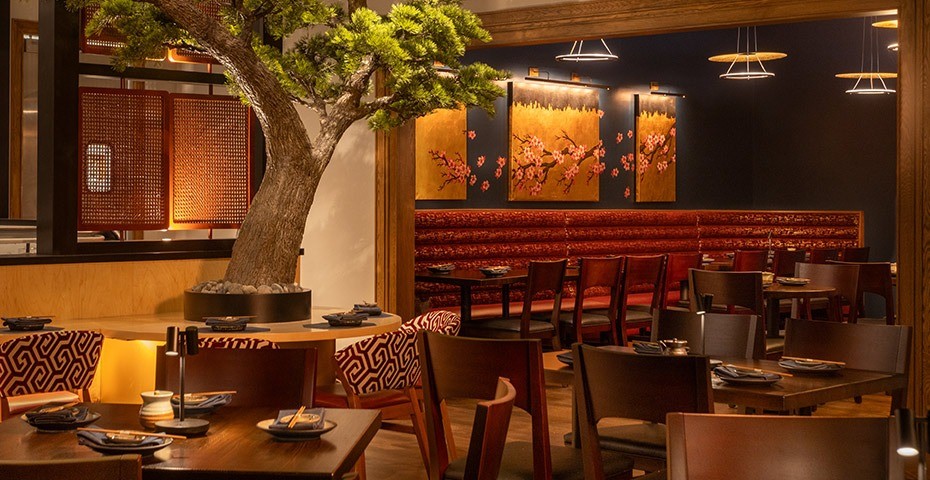
Hospitality Design Is Becoming More Sensory
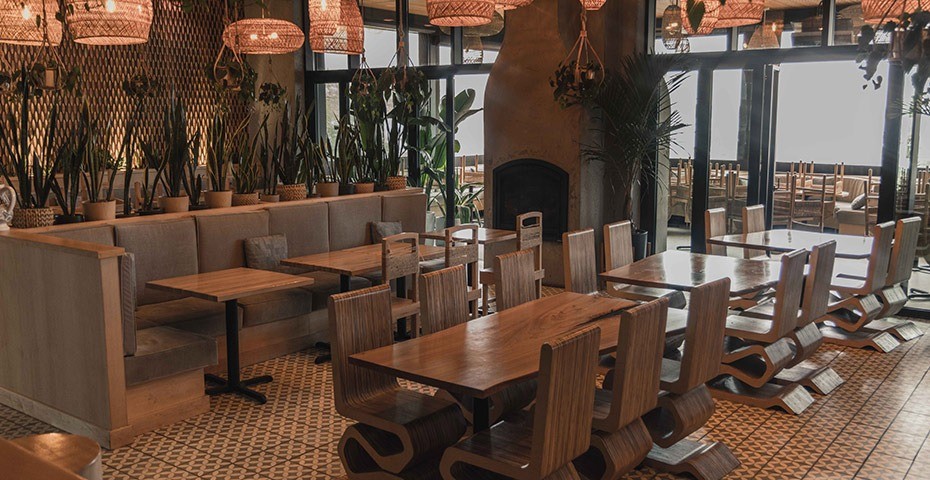
Guests today are navigating constant digital and sensory overload. Hospitality spaces are beginning to respond with environments that feel softer, warmer, and more tactile.
We’re seeing increased use of:
-
Woven textures
-
Rope detailing
-
Artisan wood finishes
-
Soft-touch upholstery
-
Layered material palettes
These elements create spaces that feel approachable and restorative — encouraging guests to slow down and stay engaged.
Senior-Friendly Design Is Influencing Hospitality at Large
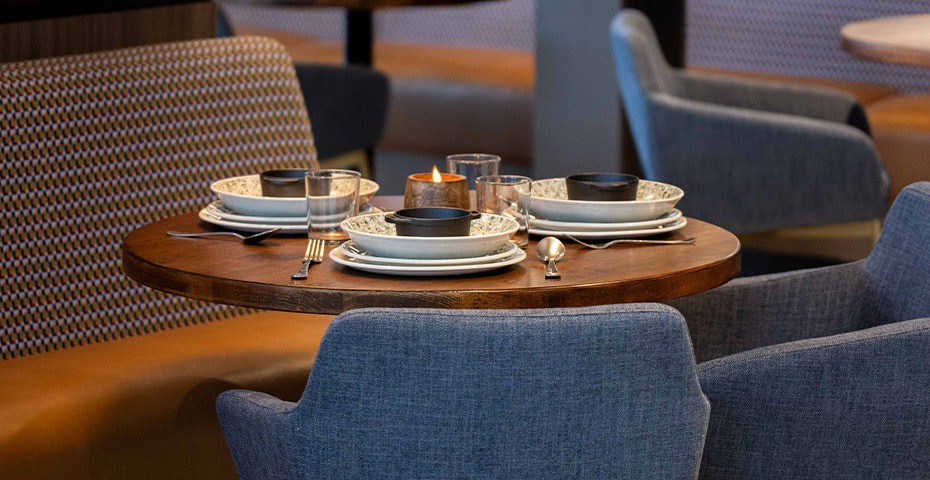
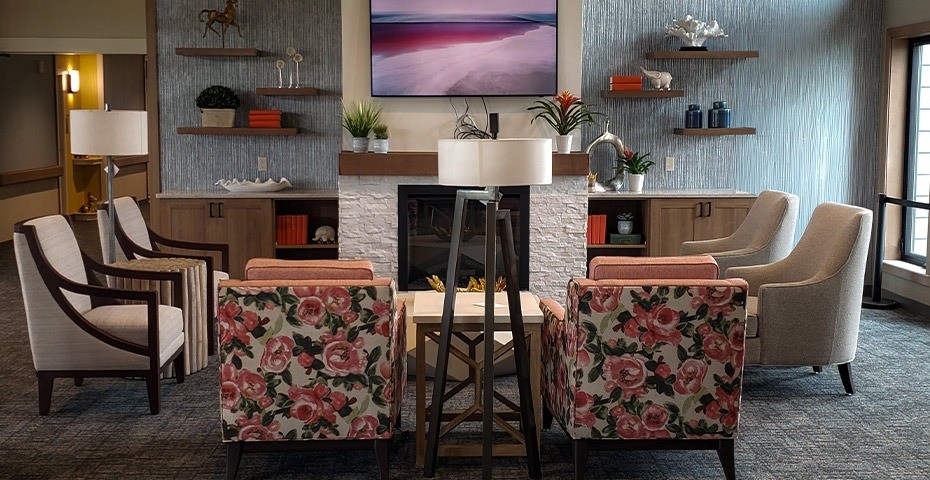
One of the most meaningful shifts happening in hospitality design is the integration of accessibility into elevated aesthetics.
Furniture and dining environments are increasingly being designed with:
-
Supportive seating posture
-
Easier ingress and egress
-
Comfortable arm heights
-
Softer cushioning
-
Residential warmth instead of institutional styling
The result is a more inclusive guest experience that supports comfort across generations while maintaining a sophisticated hospitality feel.
Quiet Luxury Is Becoming Warmer and More Expensive
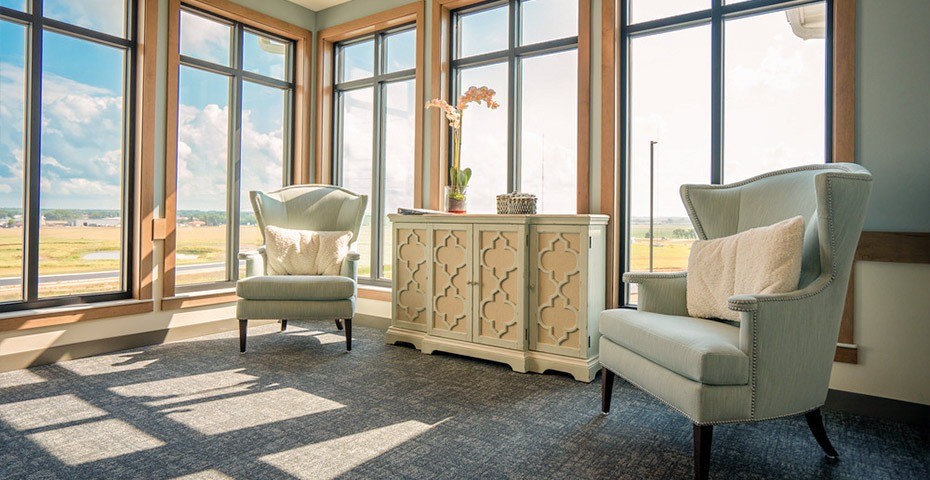
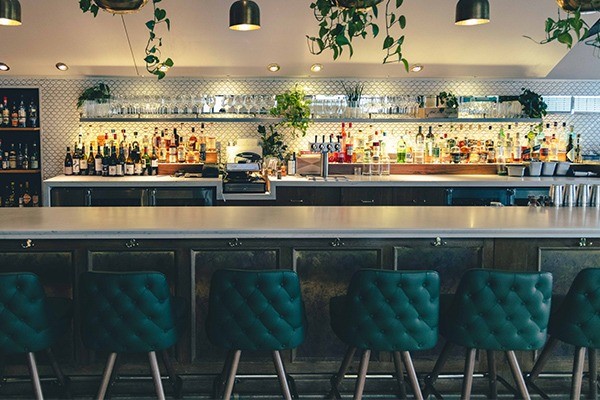
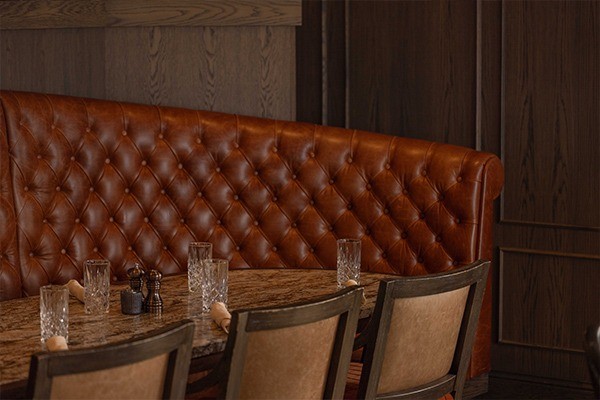
Hospitality interiors are also evolving beyond stark minimalism. The next phase leans into what could best be described as “warm, expressive restraint” — spaces that still feel elevated and refined, but with more texture, emotion, and personality.
This shift is showing up through:
-
Layered neutrals
-
Sculptural lighting
-
Artistic surfaces
-
Handcrafted materials
-
Organic textures
The goal is no longer simply creating a beautiful space. It’s creating a memorable one.
Ready to Reimagine Your Space?
Whether you’re refreshing a patio, redesigning a dining space, or creating a more hospitality-driven guest experience, thoughtful design can make a measurable impact on comfort, perception, and profitability.
Boelter’s Hospitality Design Specialist partners with our sales team and customers to create a hospitality forward solution tailored to each operation. Contact us today to learn more.
Our Hospitality Design Expert

Stacey Getchius Krull
Hospitality Design Specialist