
The foodservice industry is evolving as operators face rising costs, labor challenges, changing customer expectations, and growing pressure to improve efficiency.
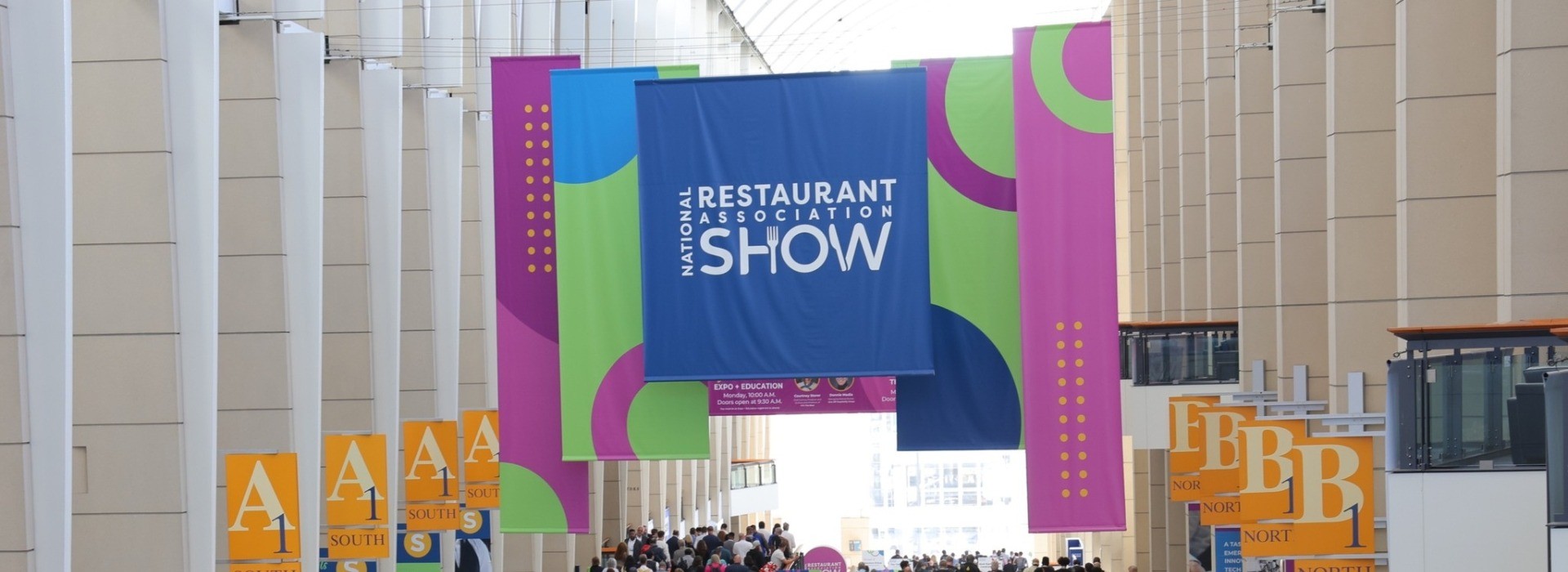
At this year’s National Restaurant Association Show, key trends focused on flexibility, efficiency, and long-term operational performance. Here are four standout trends:
Cost Savings Continue to Drive Operational Decisions
Controlling operational costs remains a top priority for foodservice operators as food, utility, and operating expenses continue to fluctuate. In response, manufacturers are introducing solutions designed to reduce waste, improve efficiency, and maximize long-term value. Rather than focusing only on upfront costs, operators are increasingly prioritizing equipment and operational strategies that can deliver measurable savings and support more consistent performance over time.
Innovations Designed to Improve Cost Efficiency
Equipment:
-
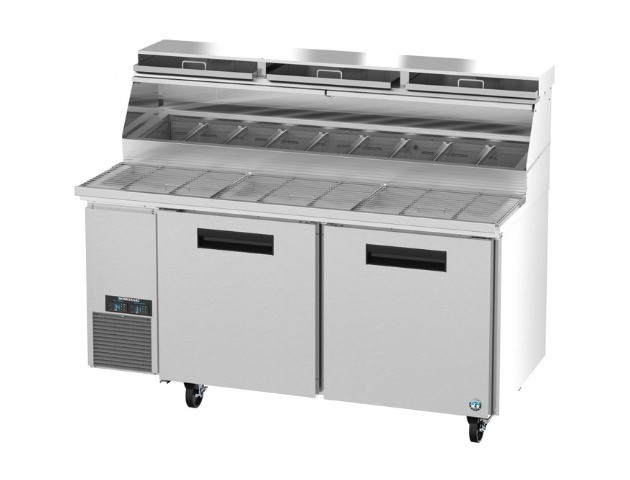
The Hoshizaki Pizza Prep Table PR67B-Z helps reduce food waste during daily use by capturing and refrigerating unused toppings for reuse in refrigerated catch pans below the prep area.
-
Gravity by Newton from Middleby uses automated ratio control technology to eliminate syrup waste when dispensing drinks while helping streamline beverage preparation and reduce service costs.
Smallwares:
-
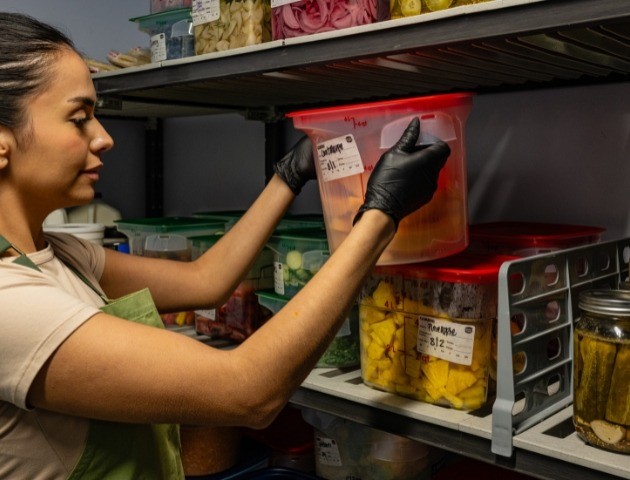
Manufacturers showcased improved food storage solutions with enhanced visibility, built-in drainage systems, and redesigned shapes to help extend product life and reduce ingredient waste.
Labor Efficiency Continues to Influence Operational Innovation
Labor challenges continue to influence operational decision-making across the foodservice industry, with many operators prioritizing solutions that simplify workflows and support smaller teams. In response, innovation continues to focus on reducing repetitive tasks, improving consistency, and helping staff work more efficiently throughout the day. Simplified processes, intuitive designs, and workflow-focused solutions are playing an increasingly important role across both kitchen and service environments.
Solutions Supporting More Efficient Operations
Equipment:
-
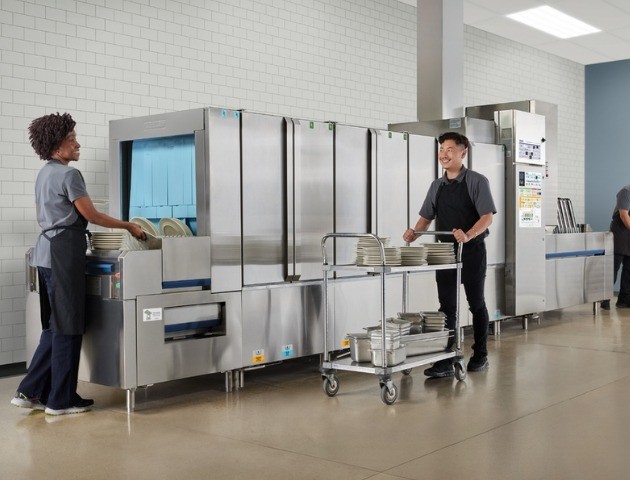
The Hobart FT2000 Dish Machine simplifies cleaning and maintenance with easy-open load and unload ends and fully removable side panels, helping reduce staff time and training complexity.
-
The Alto-Shaam OMC-F4E Origin Multi-Cook Convection Oven uses structured air technology to reduce the need for constant product monitoring and rotation while improving cooking consistency.
Disposables:
-
Manufacturers highlighted disposable packaging designed for compatibility with automated filling and sealing systems to help improve operational consistency and streamline workflows.
Smallwares:
-
More versatile products designed for use from breakfast to dinner service continued gaining traction as operators look to improve efficiency and reduce product redundancy.
Maximizing Space Is Becoming Increasingly Important
Space optimization is becoming increasingly important as operators adapt to smaller footprints and evolving service models. As a result, solutions that deliver high performance while maximizing available space are growing in value across the industry. Beyond compact kitchens, space efficiency is now a key consideration for operations focused on improving workflow, flexibility, and overall operational efficiency.

Products Designed for Space Efficiency
Equipment:
-
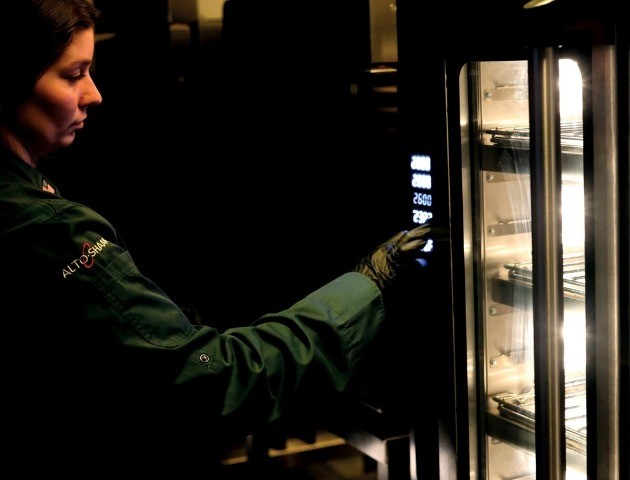
Alto-Shaam's Origin Convection Oven delivers high-performance cooking in a compact, stackable design that helps operators consolidate equipment and maximize productivity in smaller kitchens.
Disposables:
-
Manufacturers introduced improved nesting designs and interchangeable lid and base systems to help reduce storage demands and simplify inventory management.
Smallwares:
-
Trends emphasized stackability and modularity, including new stackable glassware collections from Libbey and buffet systems designed for greater flexibility and workflow efficiency.
Sustainability Remains a Growing Operational Priority
Sustainability continues to shape operational decision-making across foodservice, with growing emphasis on solutions that support both environmental goals and operational efficiency. Operators are looking for practical ways to reduce energy and water usage, minimize waste, and improve long-term performance without adding complexity. In response, manufacturers continue to introduce products and materials designed to support more sustainable day-to-day operations.

Innovations Supporting Long-Term Sustainability
Equipment:
-
Hobart’s FT2000 Dish Machine features an advanced water management system to drain and reuse water, as well as Active Soil Removal technologies that help reduce energy consumption, detergent usage, and overall environmental impact.
Disposables:
-
Reusable and hybrid packaging systems continued gaining visibility alongside increased use of fiber-based materials, PFAS-free products, and clearer compostable and recyclable labeling.
Smallwares:
-
The increased use of recycled materials, along with initiatives aimed at reducing water, energy, and material waste, was a consistent focus across the show. In the buffetware space, Renew by Cal-Mil and Re.WARE from Front of the House feature recycled materials designed to support more sustainable operations.
What These Trends Mean for Operators
The trends shaping foodservice in 2026 highlight a continued focus on efficiency, flexibility, and long-term operational performance. From reducing costs and simplifying workflows to maximizing space and supporting sustainability goals, operators are prioritizing solutions that deliver measurable impact across the operation.
As these trends continue to evolve, choosing the right products and strategies will remain key to long-term success. Contact a Boelter expert today to find solutions that support your operational goals.