New Regulations for Refrigerants: What You Need to Know
Starting in January 2026, the foodservice industry will be working under new regulations when it comes to installing remote refrigeration systems in commercial kitchens. The new regulations are part of a long-term goal by the EPA to reduce the consumption of hydroflourocarbons (HFCs) by 85% by 2036 through the AIM Act.
If you’re planning a renovation or equipment upgrade, now’s the time to prepare. Boelter is here to guide you through these changes—making sure your commercial refrigeration systems are compliant, energy efficient, and built for long-term performance.
Understanding the AIM Act
The American Innovation and Manufacturing (AIM) Act was signed into law in December 2020 as a way to help reach the goal of reducing HFCs. Globally, about 80% of the HFCs emitted into the atmosphere come from refrigeration, air conditioning units, and vehicles. Making changes to refrigeration will have a big impact on the environment.
The act has three major components:
- Phase down production and consumption of HFCs
- Facilitate the transition to new technologies
- Establish regulatory requirements for managing refrigerants
How does this affect the foodservice sector? From reach-ins to walk-ins, merchandisers and HVAC units, everything in the commercial kitchen that keeps products or the environment cold uses refrigerants. Here’s what you need to know as far as purchasing new equipment and preparing for installation.
Meeting the First Deadline: Self-Contained Units
The EPA set a deadline of January 2025 for all self-contained refrigeration units manufactured to use refrigerants with a low Global Warming Potential (GWP). Luckily the equipment industry has been on top of these regulations, and for years manufacturers have worked on redesigning products with compressors that use low-GWP refrigerants such as R290.
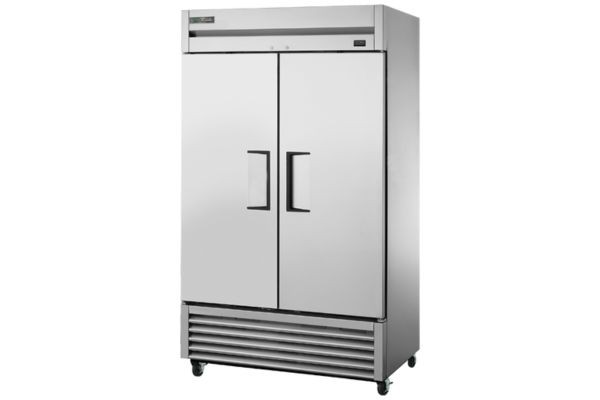
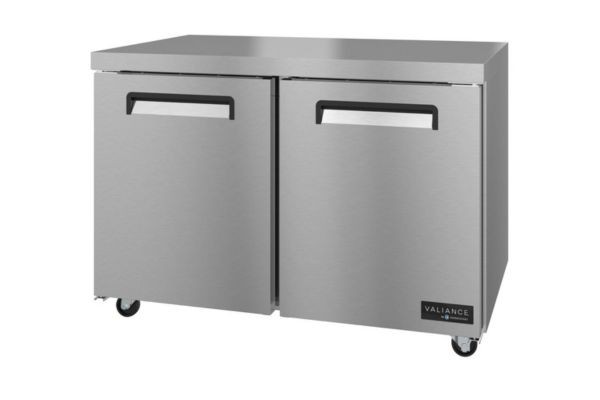
The new commercial equipment not only improves an operation’s carbon footprint by using refrigerants that have less of a negative impact on the environment, they also are often more energy efficient. R290 conducts heat more efficiently than previously used refrigerants, which means less refrigerant is needed and equipment can operate at lower compressor pressures, all of which means the equipment needs less energy to run.
It's not necessary to rush out and purchase new refrigeration equipment. If your establishment is working with reach-ins and walk-ins that run on R404 or other high GWP refrigerants, that equipment is still fine to use. Just be aware repairs will become more challenging, as service agents won’t be able to source older refrigerants as they are phased out.
Next Up: Remote Refrigeration
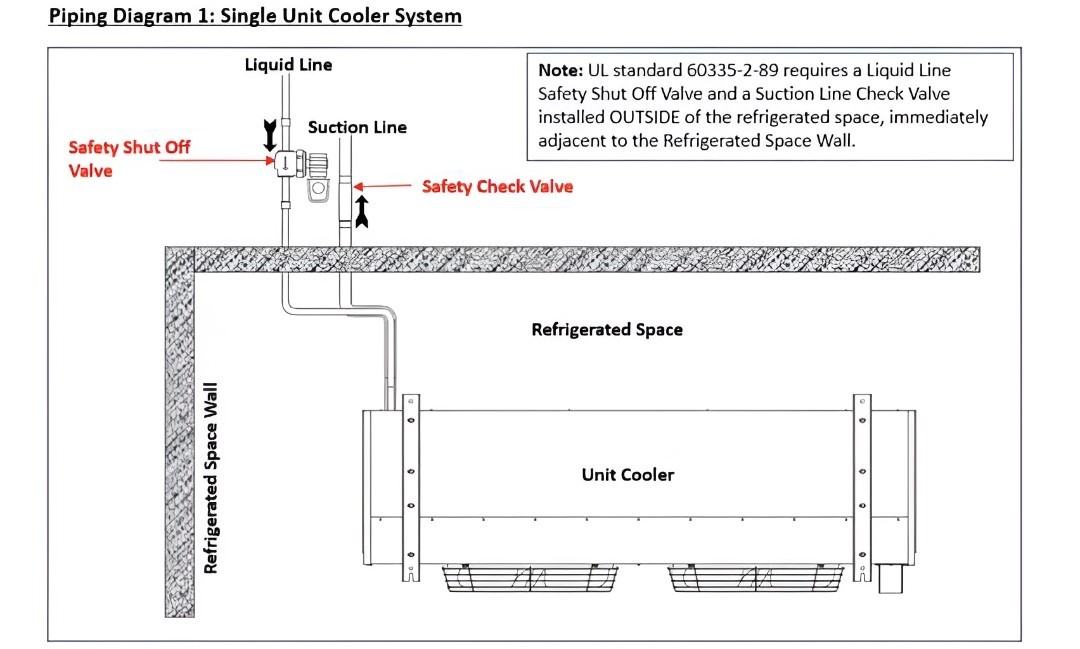
The next deadline affecting foodservice operations comes up soon, as the regulations state that remote refrigeration systems installed after January 1, 2026, need to be in compliance with low-GWP refrigerants and other safety measures. This includes new guidance around shaft enclosures, ventilation and leak detection requirements.
Currently, these systems require one safety valve and one check valve. The new scope of work requires a safety valve for each coil. There will also be additional shaft enclosures, which will be required when refrigerant piping runs through two or more ceiling or floor assemblies. Refrigerant leak detectors and alarms also play an important role, alerting operators immediately when there is a refrigerant leak, helping decrease the amount of HFCs emitted into the atmosphere.
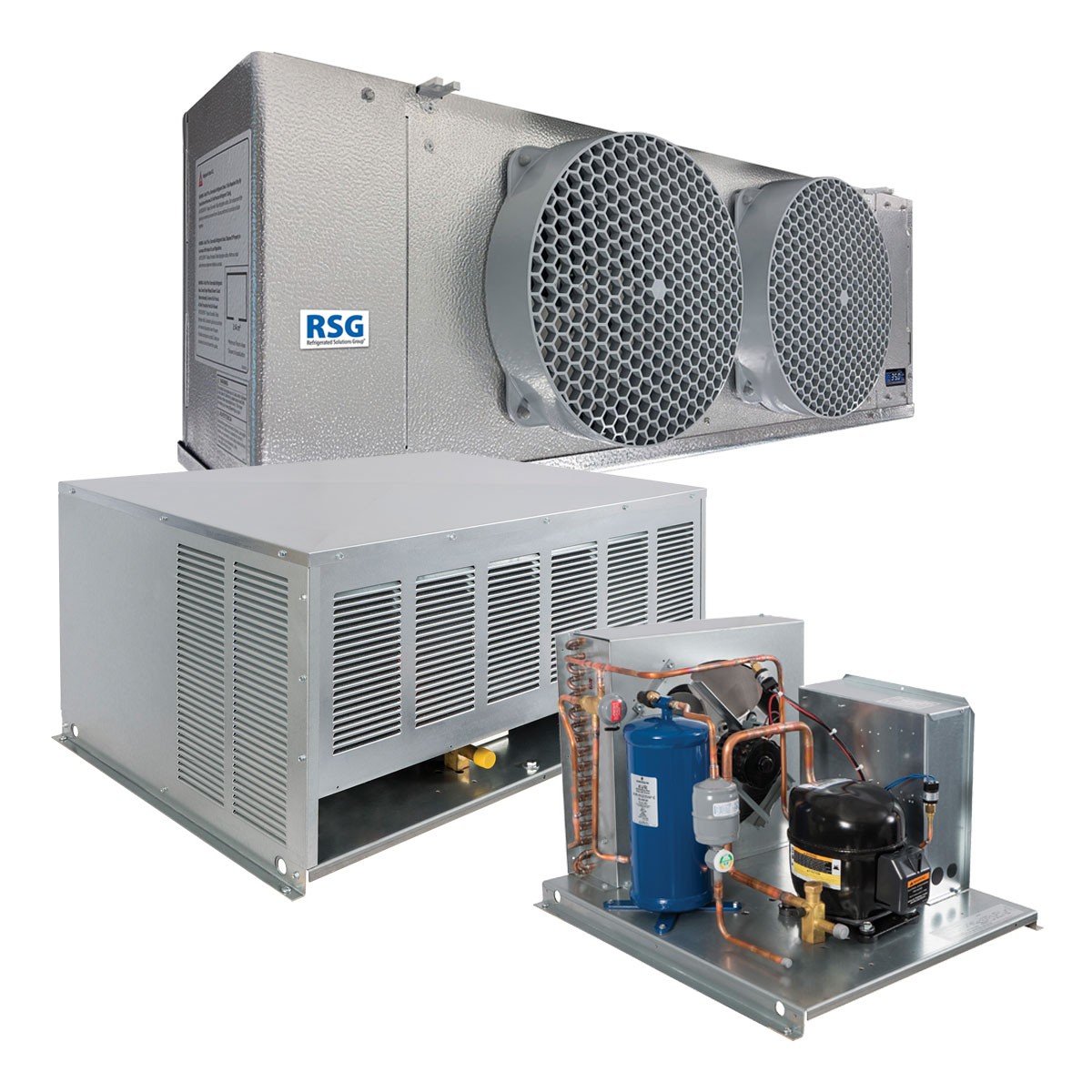
These remote compressor systems are also switching to a lower GWP refrigerant, A2L refrigerant, which stand for lower toxicity, lower flammability and lower burning velocity. A2Ls, such as R454C, can be used in higher charges than R290, making it the better choice for these large systems.
How Boelter is Preparing
When you partner with Boelter to purchase new commercial equipment or design a new kitchen, you know you are working with a team that understands all new foodservice industry standards and regulations. Our team of designers have long-standing relationships with equipment manufacturers, which means it’s easy to stay on top of the most recent product innovations.
Our designers also take time to educate themselves on new policies and procedures regarding safety and installation. As the industry continues to adapt to the regulations from the EPA, we are remaining flexible in our practices. Currently our remote refrigeration systems will be designed for thermostatic expansion valves and pressure switches to operate on approved refrigerants including A2L or A454A. Designs will also include isolation check valves and monitoring devices with alarms installed inside each compartment to detect refrigerant leaks.
For projects with installation dates on or after January 1, 2026, we advise customers that plans and drawings will be done for budgetary purposes only, reserving the right to revise equipment and installation as regulations change up to the deadline.
NOTE: The information in this article reflects our understanding of regulations as of its publication on June 17, 2025. The industry is still working out how exactly to meet the regulations specified in the AIM Act, so some standards and policies might change as we move forward.