
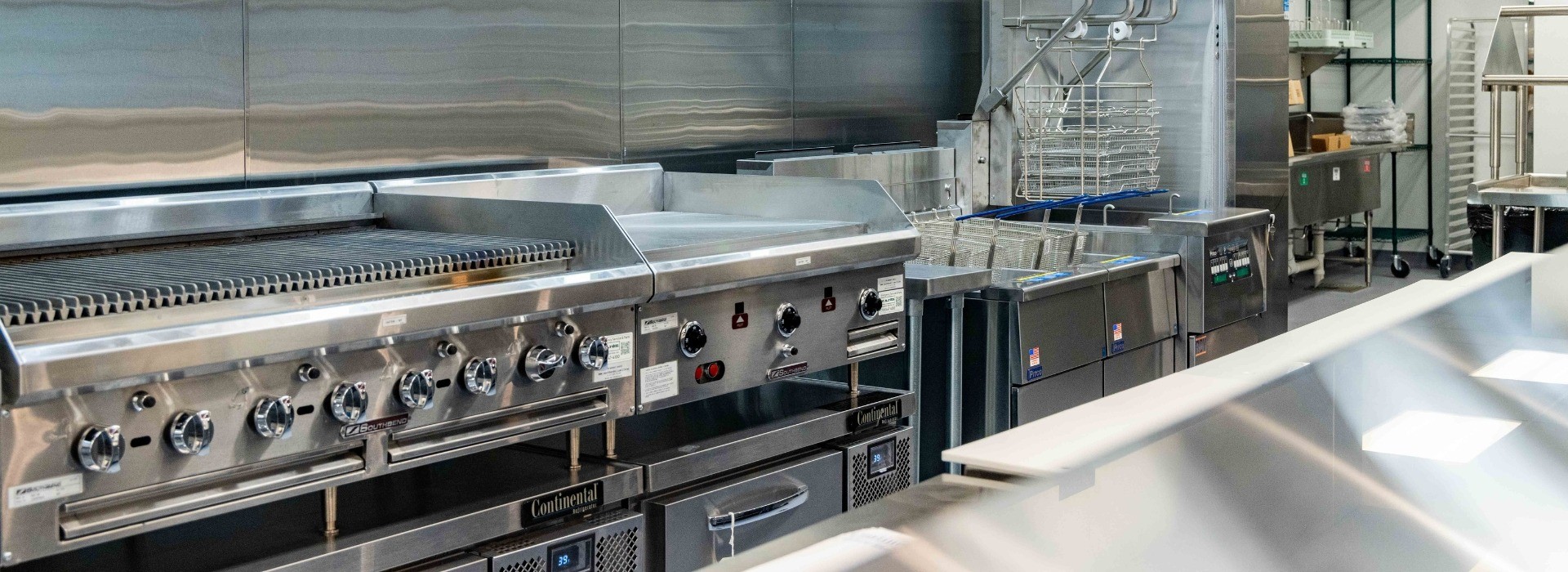
In private clubs, food and beverage is one of the strongest drivers of member satisfaction. The clubs that stand out aren’t always the most extravagant; they’re the most intentional, consistent, and operationally strong.
True F&B excellence isn’t built on one-time “wow” moments. It comes from a strong operational foundation, aligned leadership, talented teams, and a clear strategic roadmap that supports consistency, growth, and innovation.
Meaningful improvement doesn’t always require major capital investment. Some of the most impactful changes come from strengthening communication, culture, training, and day-to-day execution.
Below are three high-impact steps General Managers can take to elevate and optimize their F&B operation today.
Conduct A Food & Beverage Audit
Before implementing operational changes, clubs should evaluate the current state of the food and beverage program.
A strategic audit provides an understanding of what’s working, what isn’t, and where the opportunities lie. The goal isn’t to reinvent your culinary identity, it’s to clarify what matters most, identify your non‑negotiables, and articulate the principles that guide decision‑making across the operation.
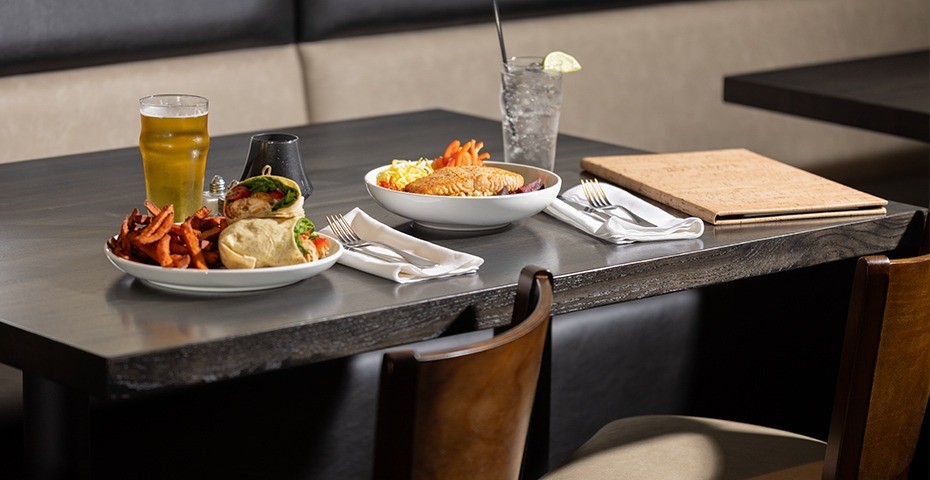
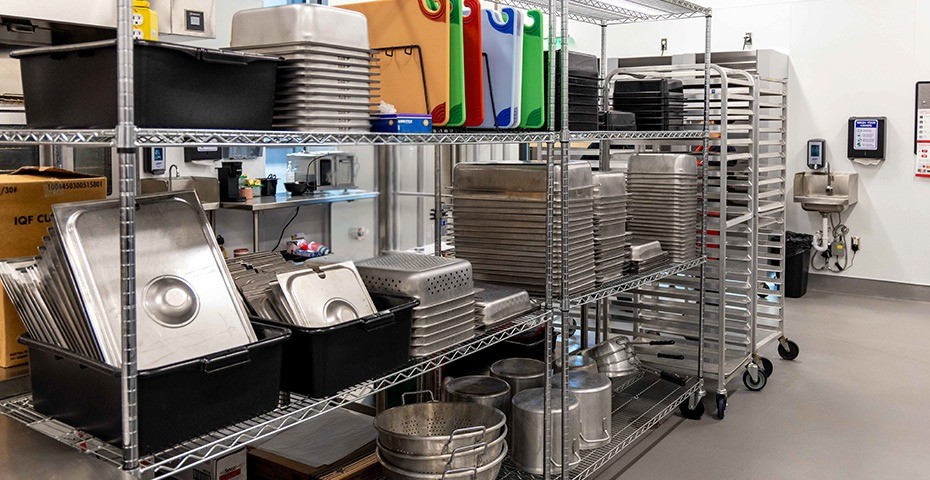
An audit might include:
-
Reviewing service standards and consistency
-
Analyzing cover counts, sales trends, and ticket times
-
Inventorying smallwares and equipment (FOH & BOH)
-
Assessing team talent, structure, and communication
-
Gathering team input across all levels
-
Reviewing member feedback and survey data
-
Evaluating branding assets (menus, guides, apps, logos)
-
Revisiting menu mix, recipe makeups, and product choices
-
Reviewing tabletop presentation and beverage execution
-
Assessing operational flow and bottlenecks
-
Identifying opportunities for personalized member moments
Private clubs regularly evaluate financial performance, golf operations, and member engagement metrics with discipline. Food and beverage operations deserve that same level of attention and strategic oversight.
Build a Club-Wide Food & Beverage Strategy Around the Member Experience
A strong food and beverage strategy is not about creating a more elaborate operation. It is about creating a more intentional one.
When aligned with the club’s mission, values, and long-term vision, a strategic plan helps define how the dining experience should function, evolve, and support member expectations across every touchpoint.
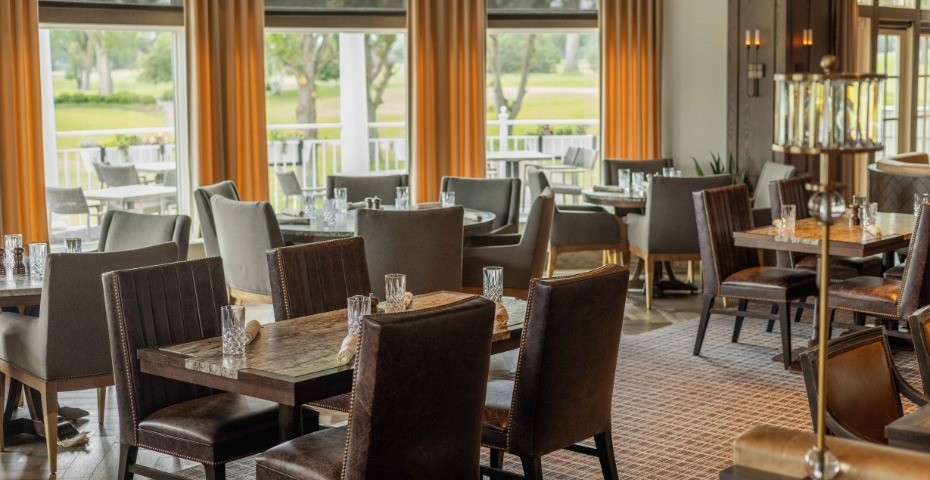
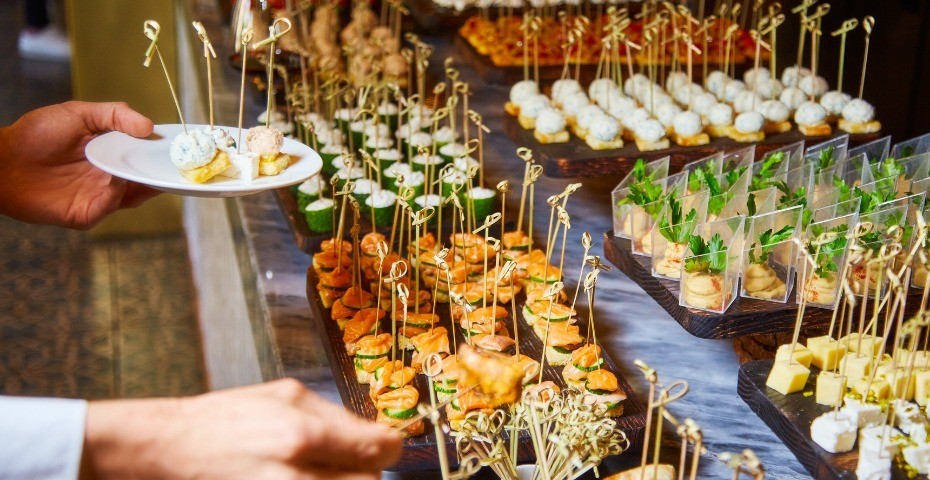
Your strategic plan should outline:
-
Operational Goals (short term & long term)
-
Supporting habits and behaviors
-
Decision‑making and communication principles
-
Capital investment considerations (replacement cycles + sustainability)
-
Annual programming calendar & action items
-
Clear expectations for each outlet or concept (a la carte + catering)
-
Talent structure
-
Your club’s F&B story
This plan becomes a compass for decisions, recruitment, training, and daily operations. It removes ambiguity and ensures the entire team understands the direction. In a field full of gray areas, it helps people see the vision more clearly.
Strengthen Alignment Between Front and Back of House
One of the greatest opportunities for clubs is improving alignment between front‑ and back‑of‑house teams. When communication and collaboration are strong across the operation, service becomes more consistent, teams solve problems more effectively, and the overall member experience improves.
A critical component of this alignment is increasing cross-functional understanding. When front‑of‑house team members become more comfortable with back‑of‑house operations—particularly equipment, production flow, and kitchen capabilities—they are better equipped to communicate with confidence, set accurate expectations with members, and anticipate service challenges before they arise. This shared knowledge builds respect, trust, and a more unified team dynamic.
Additionally, involving both FOH and BOH leaders in developing capital wishlists is incredibly powerful. When teams collaborate on equipment, layout, and investment priorities, decisions are more thoughtful, inclusive, and aligned with the full operational impact—ultimately driving smarter investments and stronger long-term performance.
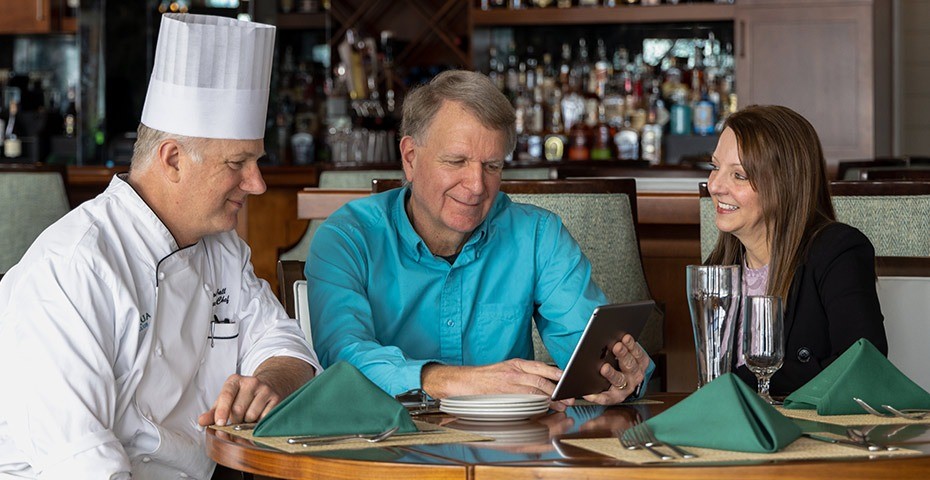
Key ways to strengthen alignment include:
-
Shared pre‑shift meetings
-
Collaborative tastings and education sessions
-
Joint review and response of member feedback
-
Integrated training, including cross‑exposure to equipment and operations
-
Real‑time problem solving
-
Clear roles and responsibilities (talent structure)
-
Creating a safe environment for innovation and ideas
-
Establishing shared goals and accountability
-
Collaborative development of capital and equipment wishlists
Strong communication, shared accountability, and cross-functional understanding create an environment where employees feel confident contributing ideas, supporting one another during service, and operating as one cohesive team.
Continuous Improvement Starts with a Strong Foundation
Enhancing your F&B experience doesn’t always require renovations or new equipment. In fact, no design or equipment package can “fix” operations or improve experiences until teams:
-
Clarify the “why” (alignment)
-
Define the "how" (standards and processes)
-
Identify the "who" (talent)
-
Understand the "what" (product/service/offerings)
-
Know the "where" (aspirational goals/long range plans)
Looking to Strengthen Your Club’s Food & Beverage Strategy?
At Boelter, we work alongside private clubs to support operational efficiency, long-term planning, and memorable dining experiences. Contact Carrie Eyler, our Director of Private Clubs, today to start building a more aligned and efficient food and beverage program for your members.
Our Private Club Expert

Carrie Eyler
Director, Private Clubs