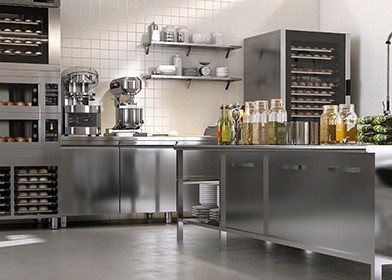
Designing school cafeteria serving lines for K-12 environments requires thoughtful planning to balance speed, safety, and durability. Students need quick access to nutritious meals, and schools need equipment that can withstand heavy daily use while meeting federal and local program requirements.
This guide is designed for K-12 foodservice directors, school administrators, and designers planning a new cafeteria serving line or replacing existing equipment.
Before you begin, consider these essential factors to create a serving line that supports efficiency, compliance, and a positive dining experience.
Key Factors When Choosing a School Cafeteria Serving Line
-
Menu requirements and food temperatures
-
Traffic flow and available space
-
Equipment layout and utility planning
-
Safety, accessibility, and compliance standards
-
Project timeline and lead times
1. Start with the Menu: What Type of Food Will Be Served?
Your menu drives every serving line design decision. Skipping this step often leads to costly changes later.
Hot Wells
For hot entrées, durable hot wells are essential to keep food above 135°F, meeting USDA guidelines. Common options include 1-, 2-, 3-, or 4-compartment drop-in units for flexibility. These allow schools to serve multiple hot items while maintaining safe temperatures throughout the lunch period.
When planning capacity, consider your highest-volume menu day, not just average service.
Cold Wells
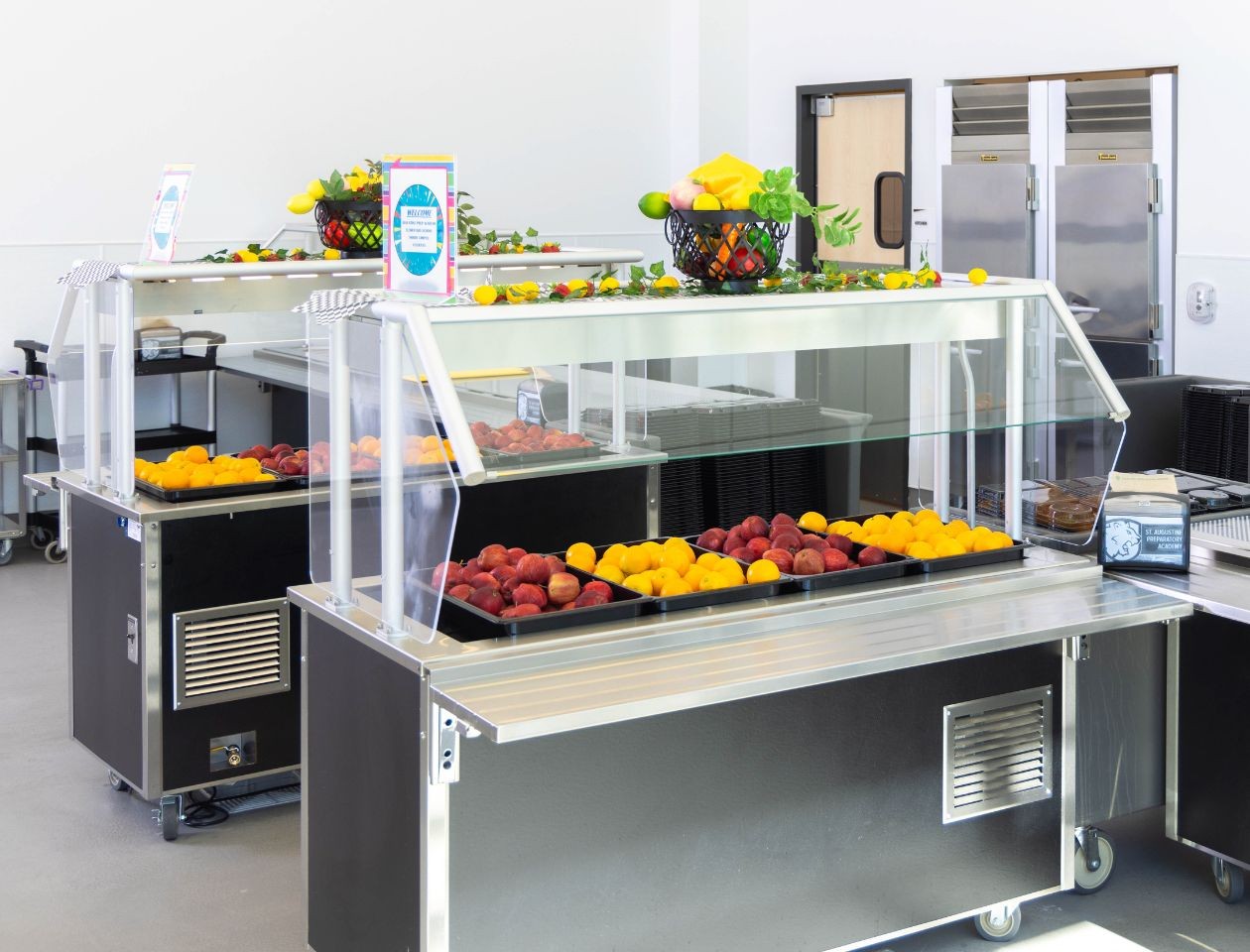
If your menu includes salads, sandwiches, milk, or fruit, deep cold wells help maintain items below 41°F. Heavy-duty mobile milk coolers are especially effective for speeding up service during short lunch periods while keeping milk properly chilled.
Convertible Wells
Limited space or rotating menus? A convertible well offers versatility for grab-and-go breakfasts, salad bars, and after-school snack programs. These units switch between hot and cold settings, making them ideal for schools with evolving or seasonal offerings.
2. Plan for Flow and Space
Traffic flow and space utilization are critical for keeping lunch periods efficient and stress free.
Measure Available Space
Start by assessing the size of your cafeteria and the number of students served daily. How many meal periods are scheduled, and how long is each? These factors influence the number of serving stations and the layout.
Choose the Right Serving Style
Decide between self-service or staff-service. This choice impacts whether modular or standalone serving line equipment makes the most sense for your operation.
Avoid Bottlenecks
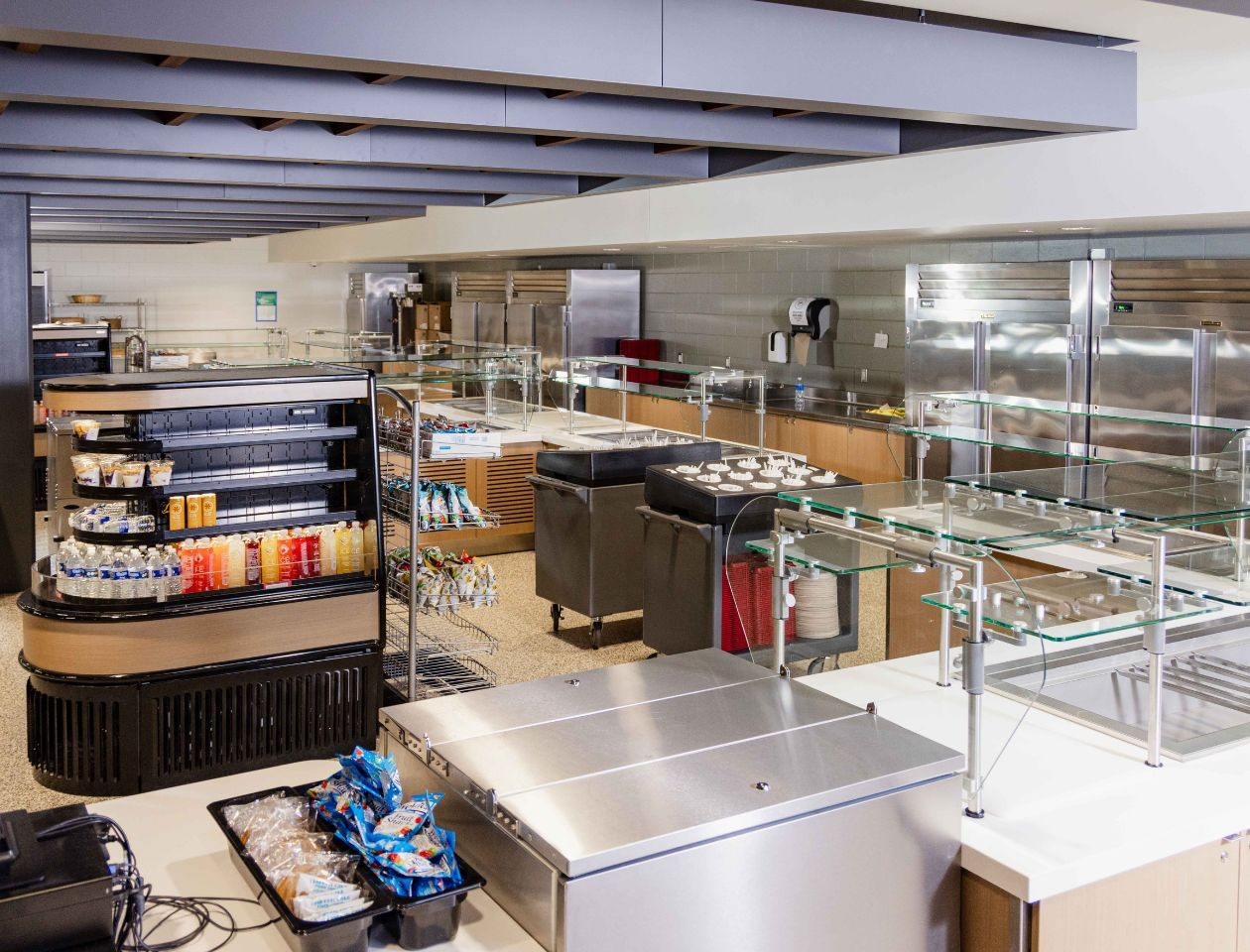
Students have limited time for lunch. Space counters appropriately and consider multiple service points to keep lines moving. Mobile counters and open-air merchandisers offer flexibility for peak days, special events, or future reconfiguration.
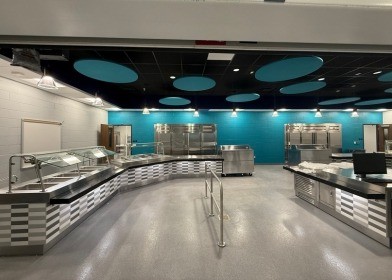
For high-volume operations, wide counters with multiple wells support faster throughput. Heavy-duty stainless steel construction improves durability and simplifies cleaning. In addition, create a workflow that maximizes efficiency: prep → chill in walk-in → load into merchandiser. This reduces strain on staff and equipment while maintaining food quality.
3. Incorporate Drawings and Layouts
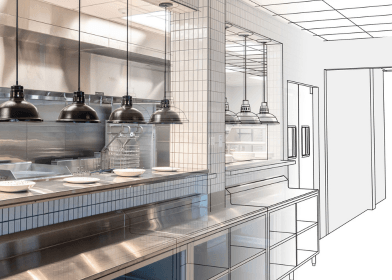
Detailed drawings help visualize equipment placement and confirm electrical, plumbing, and ventilation requirements. Request CAD drawings that clearly define zones for hot, cold, and ambient items. These drawings also help confirm ADA compliance, proper clearance for staff and students, and efficient service flow.
Design Tips:
-
Position grab-and-go cases away from windows and under controlled airflow to prevent temperature fluctuations.
-
Maintain clearance from HVAC ducts to reduce condensation and ensure consistent equipment performance.
4. Safety and Compliance
Meeting safety and compliance standards is non-negotiable in K-12 foodservice environments.
Sneeze Guards
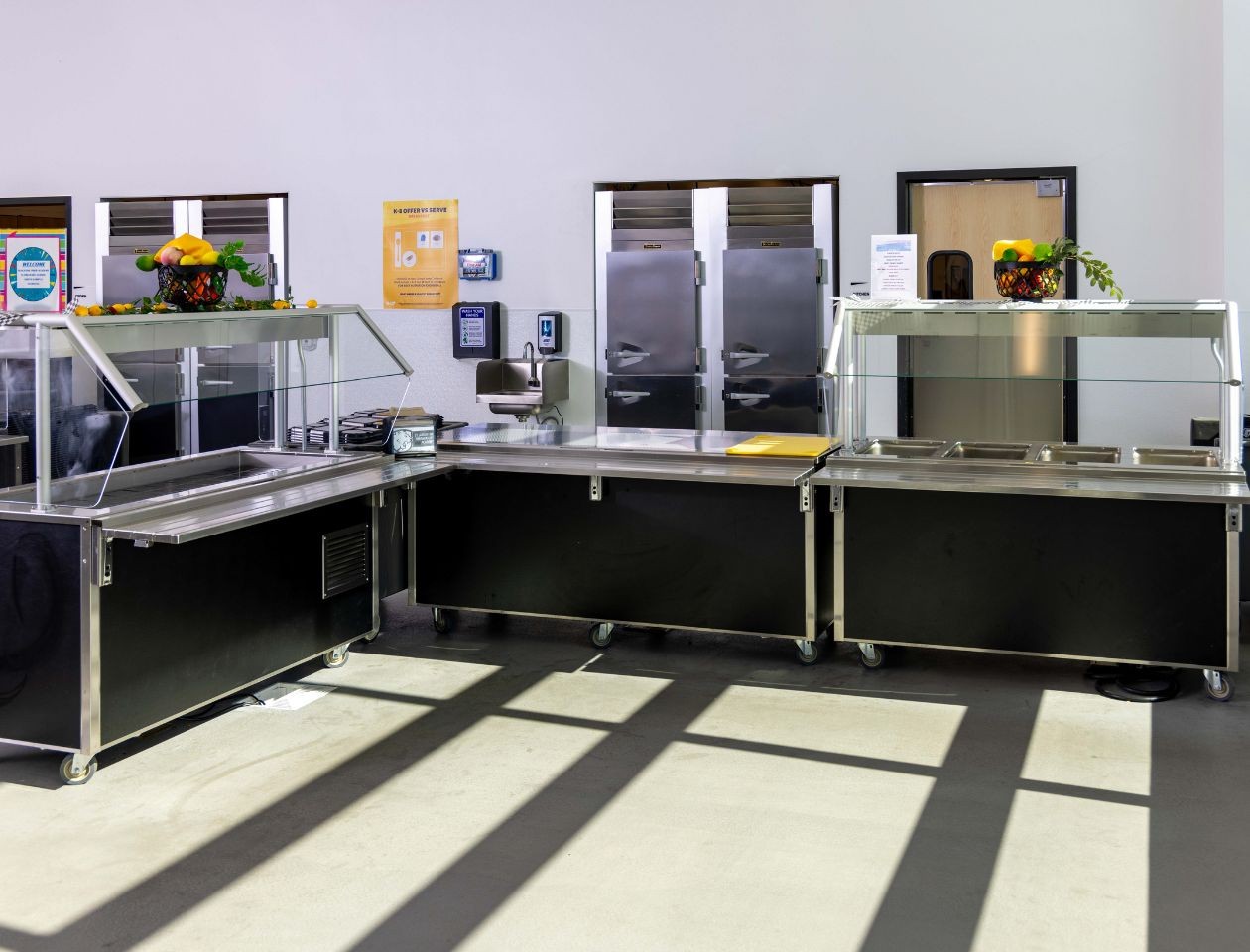
Sneeze guards are required for self-service areas to prevent contamination and protect food integrity.
ADA Accessibility
Lower counter sections help ensure accessibility for all students and support inclusive cafeteria design.
Energy Standards
Choose energy-efficient equipment with features like night covers to support DOE requirements and align with local health codes.
5. Build in Time for Planning
Serving line projects require more lead time than many schools expect. Start planning 6-12 months before installation to account for design, approvals, fabrication, and delivery. Typical milestones include:
-
Month 1–2: Assess current setup and student traffic flow.
-
Month 3–4: Design phase with architects and foodservice consultants.
-
Month 5–8: Equipment ordering and fabrication (account for custom materials and long lead times).
-
Month 9–12: Installation and staff training, ideally during school breaks to minimize disruptions.
A well-designed school cafeteria serving line improves efficiency, supports compliance, and enhances the student dining experience. By considering menu requirements, traffic flow, safety standards, and timelines, schools can create cafeterias that work better for both students and staff.
Ready to start planning your K-12 serving line?
Contact Boelter today to speak with our foodservice experts and get a customized solution that meets your school’s needs.
See Other Posts